11th Edition of World Congress on Infectious Diseases
June 28-30, 2027 | Rome, Italy

Infectious Diseases and Neurology
Infectious diseases can have profound effects on the nervous system, leading to a range of neurological complications. In the intersection of infectious diseases and neurology, infections such as meningitis, encephalitis, and neurocysticercosis can cause severe neurological damage and, if untreated, lead to long-term disability or death. The brain's unique environment makes it particularly vulnerable to pathogens, which can affect cognitive functions, motor skills, and sensory perception. In managing infectious diseases and neurology, early diagnosis and targeted therapies are critical in preventing irreversible damage. Advances in neuroimaging and molecular diagnostics are improving our ability to detect and treat neurological infections, allowing for better patient outcomes and reducing the risk of complications.

Ranjan Ramasamy
ID-FISH Technology, United States
Yazdan Mirzanejad
University of British Columbia, Canada
Elena Chiappini
University of Florence, Italy
Saurabh Chattopadhyay
University of Kentucky College of Medicine, United States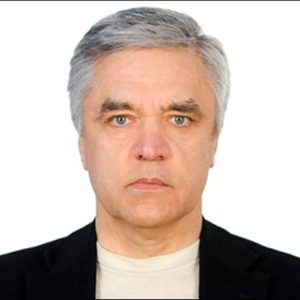
Sergey Suchkov
N.D. Zelinskii Institute for Organic Chemistry of the Russian Academy of Sciences & InMedStar, Russian Federation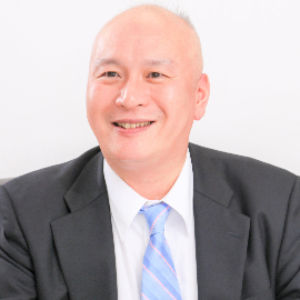
Masafumi Seki
Saitama Medical University International Medical Center, Japan
Martha Grace McLean
Anne Burnett Marion School of Medicine at Texas Christian University, United StatesSubmit your abstract Today


Title : Diagnostic approaches, predictive and prognostic assessments, monitoring, treatment & management of infectious diseases and disease prevention
Sergey Suchkov, N.D. Zelinskii Institute for Organic Chemistry of the Russian Academy of Sciences & InMedStar, Russian Federation
Title : The accelerated timeline: Human ecology, climate change, and the next global outbreak
Claudia Ferreira, Sorbonne University, France
Title : Climate changes & increasing pollution and respiratory illnesses
Yazdan Mirzanejad, University of British Columbia, Canada
Title : Recurrent klebsiella pneumoniae pyogenic liver abscess: Developing a literature-informed 0–2 scoring framework from a solved index case
Martha Grace McLean, Anne Burnett Marion School of Medicine at Texas Christian University, United States
Title : Post-hysterectomy pelvic abscess mimic: An AI-assisted diagnostic stewardship workflow
Setu Shiroya, Anne Burnett Marion School of Medicine at Texas Christian University, United States
Title : Building a clinical reasoning tool from post-transplant MRSA sepsis: A mentored ai workflow
Michaela Mitchell, Anne Burnett Marion School of Medicine at Texas Christian University, United States