11th Edition of World Congress on Infectious Diseases
June 28-30, 2027 | Rome, Italy

Pharmacology of Infectious Diseases
A drug may be defined as any artificial, natural, or endogenous (from within the body) molecule that exerts a biochemical or physiological effect on the cell, tissue, organ, or organism, and pharmacology is a branch of medicine, biology, and pharmaceutical sciences concerned with drug or medication action (sometimes the word pharmakon is used as a term to encompass these endogenous and exogenous bioactive species). It is the study of how chemicals interact with living organisms to impact normal or pathological biochemical function. Pharmaceuticals are defined as compounds that have therapeutic effects. Pharmacodynamics and pharmacokinetics are the two primary branches of pharmacology. Pharmacodynamics is the study of a drug's impacts on biological systems, while pharmacokinetics is the study of a drug's effects on biological systems. Pharmacodynamics is concerned with the interactions of chemicals with biological receptors, while pharmacokinetics is concerned with the absorption, distribution, metabolism, and excretion (ADME) of chemicals from biological systems. The terms pharmacology and pharmacy are not interchangeable, and the two are commonly used interchangeably.
- Mechanisms of Drug Action
- Novel Cellular Drug Targets
- Pathways for Drug Entry
- Drug Resistance
- Mechanistic and Phenotypic Screens for Anti-Infectious Agents
- Pharmacodynamics
- Pharmacokinetics
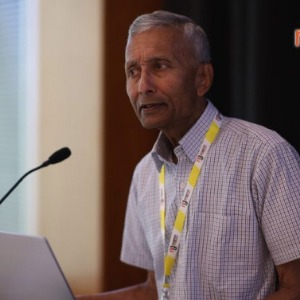
Ranjan Ramasamy
ID-FISH Technology, United States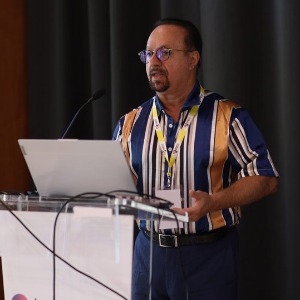
Yazdan Mirzanejad
University of British Columbia, Canada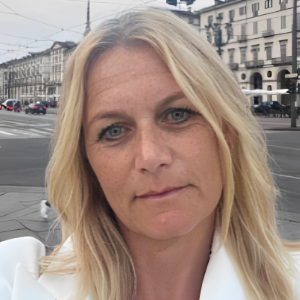
Elena Chiappini
University of Florence, Italy
Pedro Plans Rubio
College of Physicians of Barcelona, Spain
Saurabh Chattopadhyay
University of Kentucky College of Medicine, United States
Masafumi Seki
Saitama Medical University International Medical Center, Japan
Swapan K Nath
Anne Burnett Marion School of Medicine at Texas Christian University, United StatesSubmit your abstract Today


Title : The accelerated timeline: Human ecology, climate change, and the next global outbreak
Claudia Ferreira, Sorbonne University, France
Title : Climate change & increasing pollution and respiratory illnesses
Yazdan Mirzanejad, University of British Columbia, Canada
Title : Climate change & increasing tick-borne illnesses
Yazdan Mirzanejad, University of British Columbia, Canada
Title : Diagnostic approaches, predictive and prognostic assessments, monitoring, treatment & management of infectious diseases and disease prevention
Sergey Suchkov, N.D. Zelinskii Institute for Organic Chemistry of the Russian Academy of Sciences & InMedStar, Russian Federation
Title : Invasive group A streptococcal infections in children: Current therapeutic challenges
Elena Chiappini, University of Florence, Italy
Title : Global and regional routine pertussis vaccination coverage and anti-pertussis herd immunity levels in 2024, and variation from 2019 to 2024
Pedro Plans Rubio, College of Physicians of Barcelona, Spain