11th Edition of World Congress on Infectious Diseases
June 28-30, 2027 | Rome, Italy

Actinomyces Israelii
Actinomyces israelii is a filamentous, Gram-positive bacterium that is a prominent member of the Actinomyces genus. This bacterium is well-known for its role in causing actinomycosis, a chronic and often indolent infection that can affect various body tissues. Actinomyces israelii is a commensal in the oral cavity and gastrointestinal tract, but it can become pathogenic under certain conditions. Actinomyces israelii infections typically present as cervicofacial actinomycosis, characterized by the formation of abscesses, draining sinuses, and the development of sulfur granules. These sulfur granules, consisting of bacterial colonies and debris, are a hallmark feature of actinomycosis. Diagnosis involves clinical evaluation, imaging studies, and often the identification of sulfur granules in aspirated material. The treatment of Actinomyces israelii infections generally requires prolonged antibiotic therapy, with penicillin being the drug of choice. Surgical drainage or excision may be necessary for extensive abscesses. While actinomycosis caused by Actinomyces israelii can be challenging to diagnose and manage, prompt and appropriate intervention can lead to favorable outcomes.
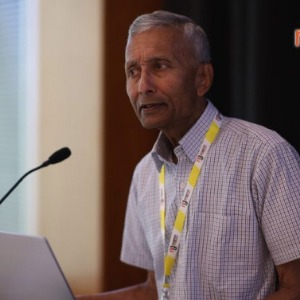
Ranjan Ramasamy
ID-FISH Technology, United States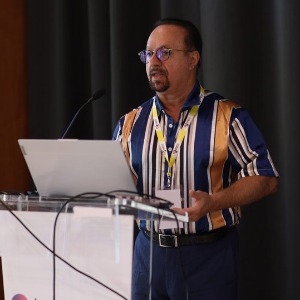
Yazdan Mirzanejad
University of British Columbia, Canada
Elena Chiappini
University of Florence, Italy
Pedro Plans Rubio
College of Physicians of Barcelona, Spain
Saurabh Chattopadhyay
University of Kentucky College of Medicine, United States
Masafumi Seki
Saitama Medical University International Medical Center, Japan
Swapan K Nath
Anne Burnett Marion School of Medicine at Texas Christian University, United StatesSubmit your abstract Today


Title : The accelerated timeline: Human ecology, climate change, and the next global outbreak
Claudia Ferreira, Sorbonne University, France
Title : Climate change & increasing pollution and respiratory illnesses
Yazdan Mirzanejad, University of British Columbia, Canada
Title : Climate change & increasing tickborne illnesses
Yazdan Mirzanejad, University of British Columbia, Canada
Title : Diagnostic approaches, predictive and prognostic assessments, monitoring, treatment & management of infectious diseases and disease prevention
Sergey Suchkov, N.D. Zelinskii Institute for Organic Chemistry of the Russian Academy of Sciences & InMedStar, Russian Federation
Title : Invasive group A streptococcal infections in children: Current therapeutic challenges
Elena Chiappini, University of Florence, Italy
Title : Global and regional routine pertussis vaccination coverage and anti-pertussis herd immunity levels in 2024, and variation from 2019 to 2024
Pedro Plans Rubio, College of Physicians of Barcelona, Spain