11th Edition of World Congress on Infectious Diseases
June 28-30, 2027 | Rome, Italy

Angiostrongyliasis
Angiostrongyliasis parasite primarily resides in rodents, particularly rats, but can also infect snails, slugs, and other intermediate hosts. Human infection occurs through ingestion of contaminated intermediate hosts or food items, such as raw vegetables or fruits, contaminated with the parasite's larvae. Once ingested, the larvae migrate to the central nervous system, causing neurological symptoms ranging from headaches and stiff neck to more severe complications such as meningitis or encephalitis. Diagnosis is often challenging due to nonspecific symptoms, but can be confirmed through laboratory tests or imaging studies. Treatment typically involves supportive care and antiparasitic medications, although severe cases may require hospitalization. Prevention focuses on proper food hygiene practices and avoiding consumption of raw or undercooked intermediate hosts. Public awareness and education are crucial in endemic regions to minimize the risk of infection and improve early detection and management of angiostrongyliasis.

Ranjan Ramasamy
ID-FISH Technology, United States
Yazdan Mirzanejad
University of British Columbia, Canada
Elena Chiappini
University of Florence, Italy
Saurabh Chattopadhyay
University of Kentucky College of Medicine, United States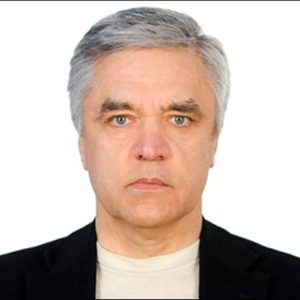
Sergey Suchkov
N.D. Zelinskii Institute for Organic Chemistry of the Russian Academy of Sciences & InMedStar, Russian Federation
Masafumi Seki
Saitama Medical University International Medical Center, Japan
Martha Grace McLean
Anne Burnett Marion School of Medicine at Texas Christian University, United StatesSubmit your abstract Today


Title : Diagnostic approaches, predictive and prognostic assessments, monitoring, treatment & management of infectious diseases and disease prevention
Sergey Suchkov, N.D. Zelinskii Institute for Organic Chemistry of the Russian Academy of Sciences & InMedStar, Russian Federation
Title : The accelerated timeline: Human ecology, climate change, and the next global outbreak
Claudia Ferreira, Sorbonne University, France
Title : Climate changes & increasing pollution and respiratory illnesses
Yazdan Mirzanejad, University of British Columbia, Canada
Title : Recurrent klebsiella pneumoniae pyogenic liver abscess: Developing a literature-informed 0–2 scoring framework from a solved index case
Martha Grace McLean, Anne Burnett Marion School of Medicine at Texas Christian University, United States
Title : Post-hysterectomy pelvic abscess mimic: An AI-assisted diagnostic stewardship workflow
Setu Shiroya, Anne Burnett Marion School of Medicine at Texas Christian University, United States
Title : Building a clinical reasoning tool from post-transplant MRSA sepsis: A mentored ai workflow
Michaela Mitchell, Anne Burnett Marion School of Medicine at Texas Christian University, United States