11th Edition of World Congress on Infectious Diseases
June 28-30, 2027 | Rome, Italy

Anti Viral Agents
Antiviral agents encompass a diverse range of pharmaceutical weapons in the ongoing battle against viral infections. Nucleoside analogs, exemplified by acyclovir and tenofovir, disrupt the viral life cycle by interfering with DNA or RNA synthesis, impeding the replication of viruses like herpes and HIV. Protease inhibitors, including ritonavir and lopinavir, play a crucial role in managing retroviruses like HIV by inhibiting the maturation of viral proteins. Neuraminidase inhibitors, such as oseltamivir, prove instrumental in treating influenza by preventing the release of new virus particles. Immunomodulators, like interferons, bolster the host's immune response, aiding in the identification and elimination of virus-infected cells. Entry inhibitors, like maraviroc, block the initial stages of viral infection by preventing the virus from entering host cells. Additionally, the cutting-edge RNA interference (RNAi)-based therapies target viral genes, utilizing the cell's natural defense mechanisms to silence specific viral genetic material, presenting a promising avenue for innovative antiviral interventions.

Ranjan Ramasamy
ID-FISH Technology, United States
Yazdan Mirzanejad
University of British Columbia, Canada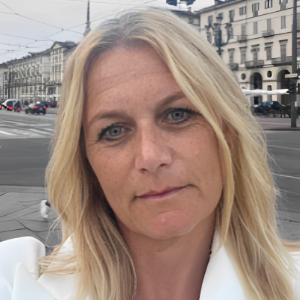
Elena Chiappini
University of Florence, Italy
Saurabh Chattopadhyay
University of Kentucky College of Medicine, United States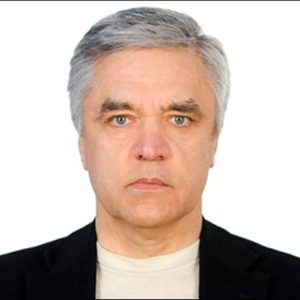
Sergey Suchkov
N.D. Zelinskii Institute for Organic Chemistry of the Russian Academy of Sciences & InMedStar, Russian Federation
Masafumi Seki
Saitama Medical University International Medical Center, Japan
Martha Grace McLean
Anne Burnett Marion School of Medicine at Texas Christian University, United StatesSubmit your abstract Today


Title : Diagnostic approaches, predictive and prognostic assessments, monitoring, treatment & management of infectious diseases and disease prevention
Sergey Suchkov, N.D. Zelinskii Institute for Organic Chemistry of the Russian Academy of Sciences & InMedStar, Russian Federation
Title : The accelerated timeline: Human ecology, climate change, and the next global outbreak
Claudia Ferreira, Sorbonne University, France
Title : Climate changes & increasing pollution and respiratory illnesses
Yazdan Mirzanejad, University of British Columbia, Canada
Title : Recurrent klebsiella pneumoniae pyogenic liver abscess: Developing a literature-informed 0–2 scoring framework from a solved index case
Martha Grace McLean, Anne Burnett Marion School of Medicine at Texas Christian University, United States
Title : Post-hysterectomy pelvic abscess mimic: An AI-assisted diagnostic stewardship workflow
Setu Shiroya, Anne Burnett Marion School of Medicine at Texas Christian University, United States
Title : Building a clinical reasoning tool from post-transplant MRSA sepsis: A mentored ai workflow
Michaela Mitchell, Anne Burnett Marion School of Medicine at Texas Christian University, United States