11th Edition of World Congress on Infectious Diseases
June 28-30, 2027 | Rome, Italy

Antibiotics for Infectious Diseases
Antibiotics for infectious diseases play a pivotal role in modern medicine, representing a diverse class of medications that effectively combat bacterial infections. From the groundbreaking discovery of penicillin by Alexander Fleming to the present-day advancements in antibiotic research, these drugs have revolutionized healthcare and saved countless lives. Commonly used antibiotics include penicillins, cephalosporins, fluoroquinolones, tetracyclines, and macrolides, each with its unique mechanism of action and spectrum of activity. The fundamental principle behind antibiotics is their ability to target specific aspects of bacterial physiology, either inhibiting their growth or causing their destruction. This specificity allows for precision in treatment, but it also underscores the importance of accurate diagnosis to identify the causative bacteria. Different classes of antibiotics excel in treating specific types of infections, ranging from skin and respiratory infections to urinary tract and gastrointestinal infections. Despite their effectiveness, the overuse and misuse of antibiotics have led to a global health crisis: antibiotic resistance. Bacteria can develop resistance mechanisms, rendering antibiotics less effective or entirely ineffective. This phenomenon poses a significant threat to public health, emphasizing the need for judicious antibiotic prescribing practices and the development of new antibiotics to stay ahead of evolving bacterial resistance. Antimicrobial stewardship programs have emerged as a critical component in promoting responsible antibiotic use. These programs focus on optimizing the selection, dosage, and duration of antibiotic treatments, aiming to maximize therapeutic efficacy while minimizing the development of resistance. Healthcare professionals play a crucial role in adhering to these principles, considering factors such as the type of infection, patient characteristics, and local resistance patterns.

Ranjan Ramasamy
ID-FISH Technology, United States
Yazdan Mirzanejad
University of British Columbia, Canada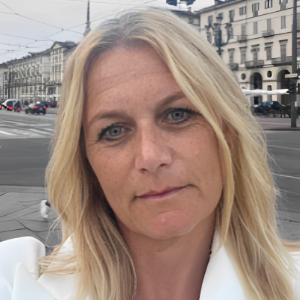
Elena Chiappini
University of Florence, Italy
Saurabh Chattopadhyay
University of Kentucky College of Medicine, United States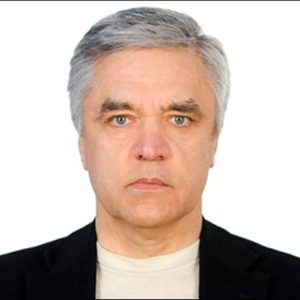
Sergey Suchkov
N.D. Zelinskii Institute for Organic Chemistry of the Russian Academy of Sciences & InMedStar, Russian Federation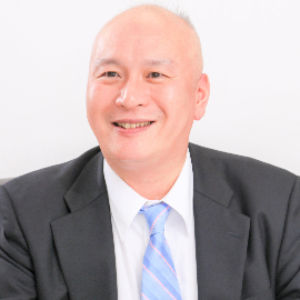
Masafumi Seki
Saitama Medical University International Medical Center, Japan
Martha Grace McLean
Anne Burnett Marion School of Medicine at Texas Christian University, United StatesSubmit your abstract Today


Title : Diagnostic approaches, predictive and prognostic assessments, monitoring, treatment & management of infectious diseases and disease prevention
Sergey Suchkov, N.D. Zelinskii Institute for Organic Chemistry of the Russian Academy of Sciences & InMedStar, Russian Federation
Title : The accelerated timeline: Human ecology, climate change, and the next global outbreak
Claudia Ferreira, Sorbonne University, France
Title : Climate changes & increasing pollution and respiratory illnesses
Yazdan Mirzanejad, University of British Columbia, Canada
Title : Recurrent klebsiella pneumoniae pyogenic liver abscess: Developing a literature-informed 0–2 scoring framework from a solved index case
Martha Grace McLean, Anne Burnett Marion School of Medicine at Texas Christian University, United States
Title : Post-hysterectomy pelvic abscess mimic: An AI-assisted diagnostic stewardship workflow
Setu Shiroya, Anne Burnett Marion School of Medicine at Texas Christian University, United States
Title : Building a clinical reasoning tool from post-transplant MRSA sepsis: A mentored ai workflow
Michaela Mitchell, Anne Burnett Marion School of Medicine at Texas Christian University, United States