11th Edition of World Congress on Infectious Diseases
June 28-30, 2027 | Rome, Italy

Antiretrovirals
In the realm of antimicrobials, antiretrovirals stand out as a specialized class designed to combat the unique challenges posed by retroviruses, with a primary focus on the human immunodeficiency virus (HIV). These drugs serve as key players in antiretroviral therapy (ART), contributing to the suppression of viral replication and the mitigation of HIV-associated immunodeficiency. Antiretrovirals are categorized into different classes based on their mechanism of action, including nucleoside/nucleotide reverse transcriptase inhibitors (NRTIs), non-nucleoside reverse transcriptase inhibitors (NNRTIs), protease inhibitors (PIs), integrase strand transfer inhibitors (INSTIs), and entry/fusion inhibitors. The combination of these classes in treatment regimens helps enhance efficacy and reduce the likelihood of drug resistance. Despite the remarkable advancements facilitated by antiretrovirals, challenges persist, such as the need for lifelong adherence to the medication, potential side effects, and the emergence of drug-resistant strains. Ongoing research and development aim to address these issues and pave the way for more effective and accessible antiretroviral therapies, bringing us closer to the goal of ending the global HIV/AIDS pandemic.

Ranjan Ramasamy
ID-FISH Technology, United States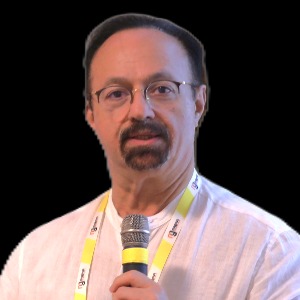
Yazdan Mirzanejad
University of British Columbia, Canada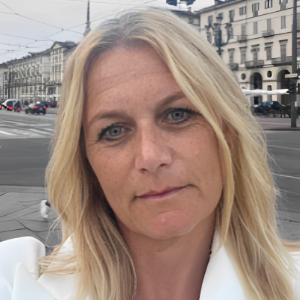
Elena Chiappini
University of Florence, Italy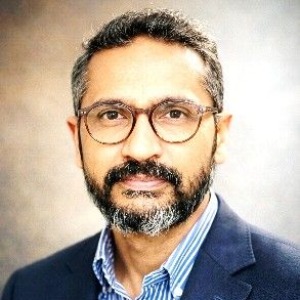
Saurabh Chattopadhyay
University of Kentucky College of Medicine, United States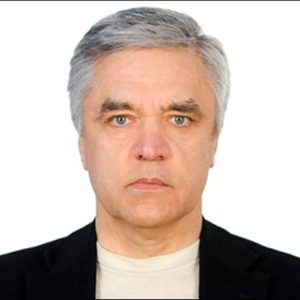
Sergey Suchkov
N.D. Zelinskii Institute for Organic Chemistry of the Russian Academy of Sciences & InMedStar, Russian Federation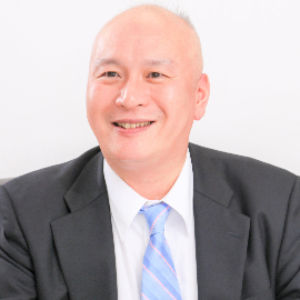
Masafumi Seki
Saitama Medical University International Medical Center, Japan
Martha Grace McLean
Anne Burnett Marion School of Medicine at Texas Christian University, United StatesSubmit your abstract Today


Title : Diagnostic approaches, predictive and prognostic assessments, monitoring, treatment & management of infectious diseases and disease prevention
Sergey Suchkov, N.D. Zelinskii Institute for Organic Chemistry of the Russian Academy of Sciences & InMedStar, Russian Federation
Title : The accelerated timeline: Human ecology, climate change, and the next global outbreak
Claudia Ferreira, Sorbonne University, France
Title : Climate changes & increasing pollution and respiratory illnesses
Yazdan Mirzanejad, University of British Columbia, Canada
Title : Recurrent klebsiella pneumoniae pyogenic liver abscess: Developing a literature-informed 0–2 scoring framework from a solved index case
Martha Grace McLean, Anne Burnett Marion School of Medicine at Texas Christian University, United States
Title : Post-hysterectomy pelvic abscess mimic: An AI-assisted diagnostic stewardship workflow
Setu Shiroya, Anne Burnett Marion School of Medicine at Texas Christian University, United States
Title : Building a clinical reasoning tool from post-transplant MRSA sepsis: A mentored ai workflow
Michaela Mitchell, Anne Burnett Marion School of Medicine at Texas Christian University, United States