11th Edition of World Congress on Infectious Diseases
June 28-30, 2027 | Rome, Italy

Aspergillus
Aspergillus is a genus of filamentous fungi that encompasses a diverse group of molds commonly found in the environment. With over 200 known species, Aspergillus plays a significant role in decomposing organic matter and contributing to nutrient cycling. However, some species within this genus can pose health risks, particularly for immunocompromised individuals. Aspergillus fumigatus is the most clinically relevant species, causing a range of respiratory infections, including allergic bronchopulmonary aspergillosis (ABPA), invasive aspergillosis, and chronic pulmonary aspergillosis. Infections by Aspergillus species are often associated with individuals with weakened immune systems, such as those undergoing chemotherapy or organ transplantation. Inhalation of Aspergillus spores can lead to colonization of the respiratory tract, with invasive disease occurring in severe cases. Allergic reactions to Aspergillus antigens can also result in hypersensitivity lung diseases. Diagnosing Aspergillus infections requires a combination of clinical evaluation, imaging studies, and laboratory tests, including cultures and molecular techniques. Antifungal medications, such as voriconazole, are commonly used for treatment.

Ranjan Ramasamy
ID-FISH Technology, United States
Yazdan Mirzanejad
University of British Columbia, Canada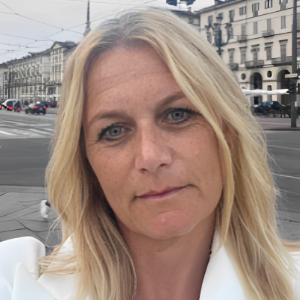
Elena Chiappini
University of Florence, Italy
Saurabh Chattopadhyay
University of Kentucky College of Medicine, United States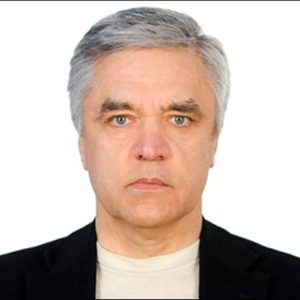
Sergey Suchkov
N.D. Zelinskii Institute for Organic Chemistry of the Russian Academy of Sciences & InMedStar, Russian Federation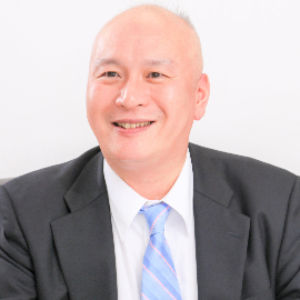
Masafumi Seki
Saitama Medical University International Medical Center, Japan
Martha Grace McLean
Anne Burnett Marion School of Medicine at Texas Christian University, United StatesSubmit your abstract Today


Title : Diagnostic approaches, predictive and prognostic assessments, monitoring, treatment & management of infectious diseases and disease prevention
Sergey Suchkov, N.D. Zelinskii Institute for Organic Chemistry of the Russian Academy of Sciences & InMedStar, Russian Federation
Title : The accelerated timeline: Human ecology, climate change, and the next global outbreak
Claudia Ferreira, Sorbonne University, France
Title : Climate changes & increasing pollution and respiratory illnesses
Yazdan Mirzanejad, University of British Columbia, Canada
Title : Recurrent klebsiella pneumoniae pyogenic liver abscess: Developing a literature-informed 0–2 scoring framework from a solved index case
Martha Grace McLean, Anne Burnett Marion School of Medicine at Texas Christian University, United States
Title : Post-hysterectomy pelvic abscess mimic: An AI-assisted diagnostic stewardship workflow
Setu Shiroya, Anne Burnett Marion School of Medicine at Texas Christian University, United States
Title : Building a clinical reasoning tool from post-transplant MRSA sepsis: A mentored ai workflow
Michaela Mitchell, Anne Burnett Marion School of Medicine at Texas Christian University, United States