11th Edition of World Congress on Infectious Diseases
June 28-30, 2027 | Rome, Italy

Bacteriophages
Bacteriophages, or simply phages, are viruses that specifically target and infect bacteria. These microscopic entities play a crucial role in the regulation of bacterial populations in various environments, contributing to the balance of microbial ecosystems. Bacteriophages are incredibly diverse, displaying a wide range of shapes and genetic compositions. They have a unique life cycle that involves attaching to a bacterial host, injecting their genetic material, and subsequently replicating within the host cell, leading to its destruction. Beyond their ecological role, bacteriophages have gained attention as potential therapeutic agents against bacterial infections. Phage therapy involves using specific bacteriophages to target and kill pathogenic bacteria. This approach holds promise as an alternative or complement to traditional antibiotics, especially in the face of rising antibiotic resistance. Research in phage therapy explores the identification and isolation of potent phages, understanding their interactions with bacterial hosts, and optimizing delivery methods for effective treatment.

Ranjan Ramasamy
ID-FISH Technology, United States
Yazdan Mirzanejad
University of British Columbia, Canada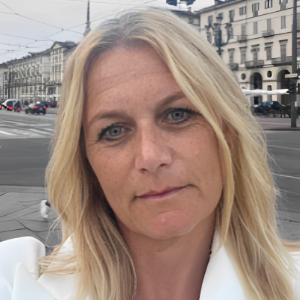
Elena Chiappini
University of Florence, Italy
Saurabh Chattopadhyay
University of Kentucky College of Medicine, United States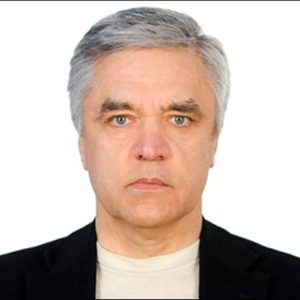
Sergey Suchkov
N.D. Zelinskii Institute for Organic Chemistry of the Russian Academy of Sciences & InMedStar, Russian Federation
Masafumi Seki
Saitama Medical University International Medical Center, Japan
Martha Grace McLean
Anne Burnett Marion School of Medicine at Texas Christian University, United StatesSubmit your abstract Today


Title : Diagnostic approaches, predictive and prognostic assessments, monitoring, treatment & management of infectious diseases and disease prevention
Sergey Suchkov, N.D. Zelinskii Institute for Organic Chemistry of the Russian Academy of Sciences & InMedStar, Russian Federation
Title : The accelerated timeline: Human ecology, climate change, and the next global outbreak
Claudia Ferreira, Sorbonne University, France
Title : Climate changes & increasing pollution and respiratory illnesses
Yazdan Mirzanejad, University of British Columbia, Canada
Title : Recurrent klebsiella pneumoniae pyogenic liver abscess: Developing a literature-informed 0–2 scoring framework from a solved index case
Martha Grace McLean, Anne Burnett Marion School of Medicine at Texas Christian University, United States
Title : Post-hysterectomy pelvic abscess mimic: An AI-assisted diagnostic stewardship workflow
Setu Shiroya, Anne Burnett Marion School of Medicine at Texas Christian University, United States
Title : Building a clinical reasoning tool from post-transplant MRSA sepsis: A mentored ai workflow
Michaela Mitchell, Anne Burnett Marion School of Medicine at Texas Christian University, United States