11th Edition of World Congress on Infectious Diseases
June 28-30, 2027 | Rome, Italy

Bacteriostatic Agent
In the realm of antimicrobials, a bacteriostatic agent assumes a significant role by inhibiting the growth and reproduction of bacteria, contributing to the broader spectrum of infection control strategies. Unlike bactericidal agents that eliminate bacteria outright, bacteriostatic agents function by halting bacterial proliferation, allowing the body's immune system to intervene and clear the arrested microorganisms. The mechanisms through which bacteriostatic agents operate are diverse, encompassing interference with vital cellular processes such as protein synthesis, DNA replication, or metabolic pathways. Tetracyclines, sulfonamides, and macrolides are examples of common bacteriostatic antibiotics, each exhibiting distinct modes of action against specific bacterial strains. Bacteriostatic agents are instrumental in clinical settings, where their use is tailored to manage infections effectively. These agents play a crucial role in the formulation of antibiotics and vaccines, as well as in preserving biological specimens. Moreover, they are integral in preventing bacterial contamination in pharmaceutical and cosmetic products, ensuring the safety and efficacy of these formulations. The nuanced distinction between bacteriostatic and bactericidal agents underscores the importance of a strategic approach in antimicrobial therapies, highlighting the diverse applications and benefits of bacteriostatic agents in various medical and industrial contexts.

Ranjan Ramasamy
ID-FISH Technology, United States
Yazdan Mirzanejad
University of British Columbia, Canada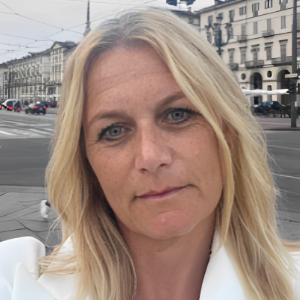
Elena Chiappini
University of Florence, Italy
Saurabh Chattopadhyay
University of Kentucky College of Medicine, United States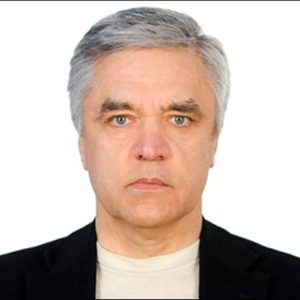
Sergey Suchkov
N.D. Zelinskii Institute for Organic Chemistry of the Russian Academy of Sciences & InMedStar, Russian Federation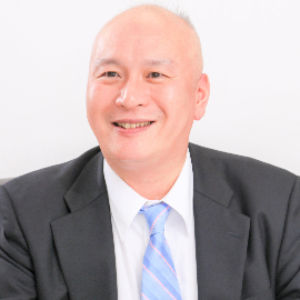
Masafumi Seki
Saitama Medical University International Medical Center, Japan
Martha Grace McLean
Anne Burnett Marion School of Medicine at Texas Christian University, United StatesSubmit your abstract Today


Title : Diagnostic approaches, predictive and prognostic assessments, monitoring, treatment & management of infectious diseases and disease prevention
Sergey Suchkov, N.D. Zelinskii Institute for Organic Chemistry of the Russian Academy of Sciences & InMedStar, Russian Federation
Title : The accelerated timeline: Human ecology, climate change, and the next global outbreak
Claudia Ferreira, Sorbonne University, France
Title : Climate changes & increasing pollution and respiratory illnesses
Yazdan Mirzanejad, University of British Columbia, Canada
Title : Recurrent klebsiella pneumoniae pyogenic liver abscess: Developing a literature-informed 0–2 scoring framework from a solved index case
Martha Grace McLean, Anne Burnett Marion School of Medicine at Texas Christian University, United States
Title : Post-hysterectomy pelvic abscess mimic: An AI-assisted diagnostic stewardship workflow
Setu Shiroya, Anne Burnett Marion School of Medicine at Texas Christian University, United States
Title : Building a clinical reasoning tool from post-transplant MRSA sepsis: A mentored ai workflow
Michaela Mitchell, Anne Burnett Marion School of Medicine at Texas Christian University, United States