11th Edition of World Congress on Infectious Diseases
June 28-30, 2027 | Rome, Italy

Beneficial Microbes
The intricate interplay between beneficial microbes and antimicrobials unveils a fascinating avenue for scientific exploration and application. Beneficial microbes, often overlooked heroes in our microbial ecosystem, wield antimicrobial capabilities that extend beyond their primary functions. Probiotics, a subset of beneficial microbes, contribute to health maintenance by creating an environment unfavorable for pathogenic invaders. Through competitive exclusion and the production of antimicrobial compounds, these microbes act as guardians of the microbial balance within the body. This symbiotic relationship becomes particularly vital in fortifying the body's defense mechanisms. In addition to internal benefits, beneficial microbes are being harnessed for environmental and agricultural purposes. Certain strains have demonstrated the potential to produce antimicrobial substances that can combat plant pathogens, reducing the reliance on chemical pesticides. The exploration of beneficial microbes and their antimicrobial properties represents a promising frontier in research, offering sustainable solutions for health, agriculture, and environmental preservation.
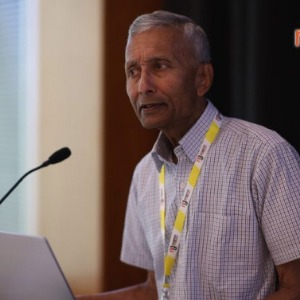
Ranjan Ramasamy
ID-FISH Technology, United States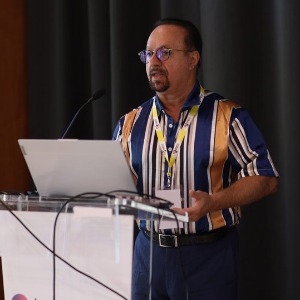
Yazdan Mirzanejad
University of British Columbia, Canada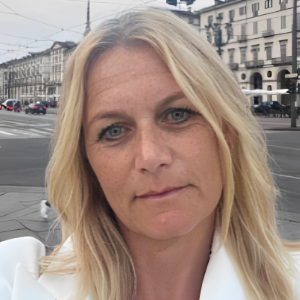
Elena Chiappini
University of Florence, Italy
Pedro Plans Rubio
College of Physicians of Barcelona, Spain
Saurabh Chattopadhyay
University of Kentucky College of Medicine, United States
Masafumi Seki
Saitama Medical University International Medical Center, Japan
Swapan K Nath
Anne Burnett Marion School of Medicine at Texas Christian University, United StatesSubmit your abstract Today


Title : Diagnostic approaches, predictive and prognostic assessments, monitoring, treatment & management of infectious diseases and disease prevention
Sergey Suchkov, N.D. Zelinskii Institute for Organic Chemistry of the Russian Academy of Sciences & InMedStar, Russian Federation
Title : Climate change & increasing pollution and respiratory illnesses
Yazdan Mirzanejad, University of British Columbia, Canada
Title : Climate change & increasing tickborne illnesses
Yazdan Mirzanejad, University of British Columbia, Canada
Title : The accelerated timeline: Human ecology, climate change, and the next global outbreak
Claudia Ferreira, Sorbonne University, France
Title : Invasive group A streptococcal infections in children: Current therapeutic challenges
Elena Chiappini, University of Florence, Italy
Title : Trends of treatment and vaccines for influenza, COVID-19, and pneumococcal diseases
Masafumi Seki, Saitama Medical University International Medical Center, Japan