
11th Edition of World Congress on Infectious Diseases
June 28-30, 2027 | Rome, Italy

Biocontainment Specialists
Biocontainment Specialists are crucial to ensuring the safe handling and containment of high-risk pathogens in research, clinical, and diagnostic settings. They design, maintain, and monitor high-containment environments—such as Biosafety Level 3 (BSL-3) and Biosafety Level 4 (BSL-4) laboratories—where dangerous infectious agents like Ebola, Lassa fever, and novel coronaviruses are studied. Their responsibilities include overseeing facility infrastructure, managing specialized ventilation and filtration systems, validating containment equipment, and enforcing strict safety protocols to prevent accidental exposure or environmental release of hazardous organisms.
Biocontainment Specialists train laboratory personnel, conduct risk assessments, and ensure compliance with national and international biosafety regulations. They play a key role during public health emergencies by supporting secure diagnostic testing, pathogen storage, and research on emerging infectious diseases. Their expertise is vital to outbreak preparedness, biosecurity, and the safe advancement of biomedical research. As global threats from zoonotic and engineered pathogens increase, these specialists help protect both scientific integrity and public safety. They stand at the front lines of biosafety, enabling life-saving research while minimizing the risk of laboratory-acquired infections or accidental release. Their vigilance forms the foundation of safe and responsible infectious disease research. They also contribute to the design of next-generation biocontainment technologies and risk mitigation strategies.

Ranjan Ramasamy
ID-FISH Technology, United States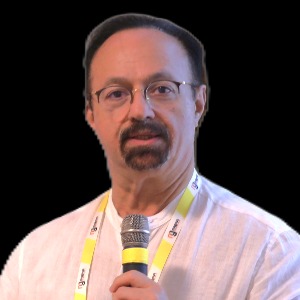
Yazdan Mirzanejad
University of British Columbia, Canada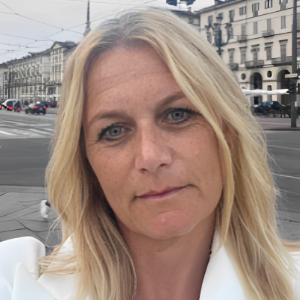
Elena Chiappini
University of Florence, Italy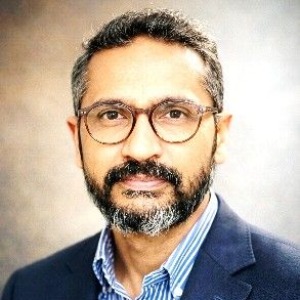
Saurabh Chattopadhyay
University of Kentucky College of Medicine, United States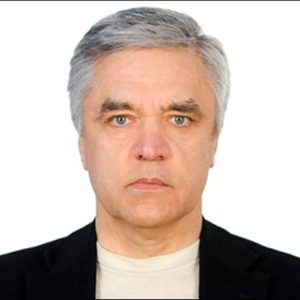
Sergey Suchkov
N.D. Zelinskii Institute for Organic Chemistry of the Russian Academy of Sciences & InMedStar, Russian Federation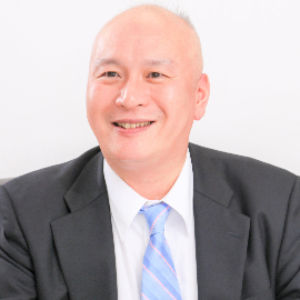
Masafumi Seki
Saitama Medical University International Medical Center, Japan
Martha Grace McLean
Anne Burnett Marion School of Medicine at Texas Christian University, United StatesSubmit your abstract Today


Title : Diagnostic approaches, predictive and prognostic assessments, monitoring, treatment & management of infectious diseases and disease prevention
Sergey Suchkov, N.D. Zelinskii Institute for Organic Chemistry of the Russian Academy of Sciences & InMedStar, Russian Federation
Title : The accelerated timeline: Human ecology, climate change, and the next global outbreak
Claudia Ferreira, Sorbonne University, France
Title : Climate changes & increasing pollution and respiratory illnesses
Yazdan Mirzanejad, University of British Columbia, Canada
Title : Recurrent klebsiella pneumoniae pyogenic liver abscess: Developing a literature-informed 0–2 scoring framework from a solved index case
Martha Grace McLean, Anne Burnett Marion School of Medicine at Texas Christian University, United States
Title : Post-hysterectomy pelvic abscess mimic: An AI-assisted diagnostic stewardship workflow
Setu Shiroya, Anne Burnett Marion School of Medicine at Texas Christian University, United States
Title : Building a clinical reasoning tool from post-transplant MRSA sepsis: A mentored ai workflow
Michaela Mitchell, Anne Burnett Marion School of Medicine at Texas Christian University, United States