11th Edition of World Congress on Infectious Diseases
June 28-30, 2027 | Rome, Italy

Bioinformaticians
Bioinformaticians harness the power of computing to uncover patterns hidden within complex biological data. They analyze genomic sequences, protein structures, gene expression profiles, and other high-throughput biological outputs to extract insights that support scientific discovery and medical advancement. Using algorithms, machine learning, and statistical tools, they help researchers understand how genes function, how diseases develop at the molecular level, and how therapies can be tailored to individual patients. Their work is essential in modern fields like genomics, systems biology, and precision medicine.
In research and clinical environments alike, Bioinformaticians collaborate with molecular biologists, geneticists, clinicians, and software engineers. They build databases, design data analysis pipelines, and develop user-friendly software that accelerates the pace of discovery. Their role is especially critical in ensuring that biological data is accurate, reproducible, and interpreted within the right scientific context. From tracking viral mutations to identifying cancer-related mutations, their contributions have a direct impact on health innovation and treatment strategies. They also play a key role in integrating multi-omics data to reveal comprehensive biological insights. Their expertise supports large-scale projects such as population genomics and environmental biodiversity monitoring. As data continues to reshape biology and medicine, Bioinformaticians are key players in unlocking the future of personalized healthcare and global biomedical progress.

Ranjan Ramasamy
ID-FISH Technology, United States
Yazdan Mirzanejad
University of British Columbia, Canada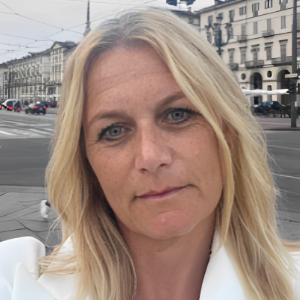
Elena Chiappini
University of Florence, Italy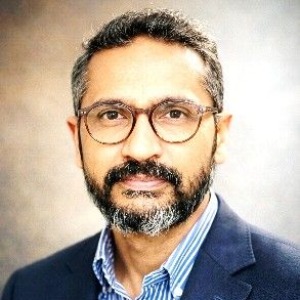
Saurabh Chattopadhyay
University of Kentucky College of Medicine, United States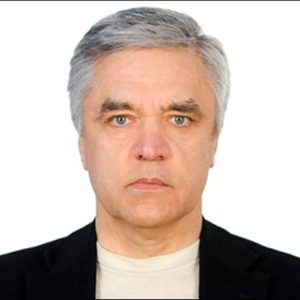
Sergey Suchkov
N.D. Zelinskii Institute for Organic Chemistry of the Russian Academy of Sciences & InMedStar, Russian Federation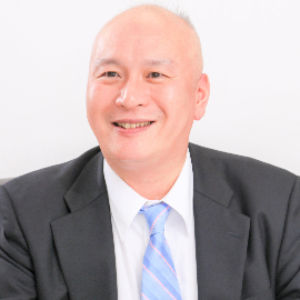
Masafumi Seki
Saitama Medical University International Medical Center, Japan
Martha Grace McLean
Anne Burnett Marion School of Medicine at Texas Christian University, United StatesSubmit your abstract Today


Title : Diagnostic approaches, predictive and prognostic assessments, monitoring, treatment & management of infectious diseases and disease prevention
Sergey Suchkov, N.D. Zelinskii Institute for Organic Chemistry of the Russian Academy of Sciences & InMedStar, Russian Federation
Title : The accelerated timeline: Human ecology, climate change, and the next global outbreak
Claudia Ferreira, Sorbonne University, France
Title : Climate changes & increasing pollution and respiratory illnesses
Yazdan Mirzanejad, University of British Columbia, Canada
Title : Recurrent klebsiella pneumoniae pyogenic liver abscess: Developing a literature-informed 0–2 scoring framework from a solved index case
Martha Grace McLean, Anne Burnett Marion School of Medicine at Texas Christian University, United States
Title : Post-hysterectomy pelvic abscess mimic: An AI-assisted diagnostic stewardship workflow
Setu Shiroya, Anne Burnett Marion School of Medicine at Texas Christian University, United States
Title : Building a clinical reasoning tool from post-transplant MRSA sepsis: A mentored ai workflow
Michaela Mitchell, Anne Burnett Marion School of Medicine at Texas Christian University, United States