11th Edition of World Congress on Infectious Diseases
June 28-30, 2027 | Rome, Italy

Biotechnologists
Biotechnologists apply biological principles and technological techniques to develop products and processes that improve various aspects of life, including healthcare, agriculture, and environmental sustainability. They work with microorganisms, plant cells, and animal cells to develop solutions in areas such as genetic engineering, drug development, and environmental conservation. By manipulating biological systems at the molecular and cellular levels, biotechnologists can create genetically modified organisms (GMOs), develop new vaccines, and produce biofuels, enzymes, and other bioproducts. Their work is critical in addressing global challenges like food security, disease prevention, and climate change.
Biotechnologists often collaborate with industries to apply their discoveries in practical ways. For example, in healthcare, they may work on developing targeted therapies or advancing personalized medicine. In agriculture, they can contribute to improving crop yield and resistance to pests and diseases through genetic modifications. They also play a role in environmental biotechnology by developing methods to clean up pollutants or create sustainable energy sources. Through their innovations, biotechnologists continue to drive progress in medicine, agriculture, and environmental science, improving the quality of life for people worldwide. Biotechnologists also contribute to the production of sustainable bio-based materials, reducing the reliance on fossil fuels and promoting eco-friendly alternatives. By advancing cutting-edge technologies, they play a pivotal role in the development of sustainable solutions that support both economic growth and environmental preservation.

Ranjan Ramasamy
ID-FISH Technology, United States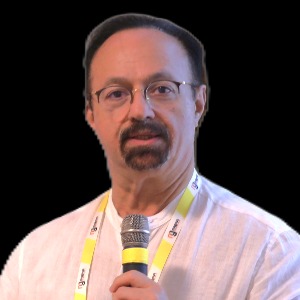
Yazdan Mirzanejad
University of British Columbia, Canada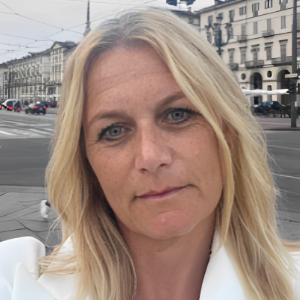
Elena Chiappini
University of Florence, Italy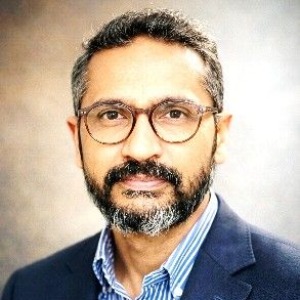
Saurabh Chattopadhyay
University of Kentucky College of Medicine, United States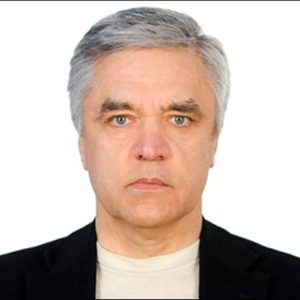
Sergey Suchkov
N.D. Zelinskii Institute for Organic Chemistry of the Russian Academy of Sciences & InMedStar, Russian Federation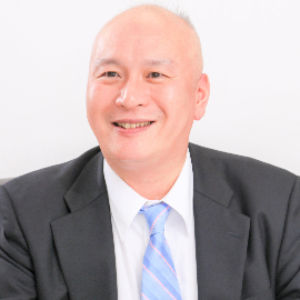
Masafumi Seki
Saitama Medical University International Medical Center, Japan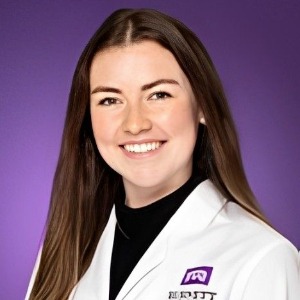
Martha Grace McLean
Anne Burnett Marion School of Medicine at Texas Christian University, United StatesSubmit your abstract Today


Title : Diagnostic approaches, predictive and prognostic assessments, monitoring, treatment & management of infectious diseases and disease prevention
Sergey Suchkov, N.D. Zelinskii Institute for Organic Chemistry of the Russian Academy of Sciences & InMedStar, Russian Federation
Title : The accelerated timeline: Human ecology, climate change, and the next global outbreak
Claudia Ferreira, Sorbonne University, France
Title : Climate changes & increasing pollution and respiratory illnesses
Yazdan Mirzanejad, University of British Columbia, Canada
Title : Recurrent klebsiella pneumoniae pyogenic liver abscess: Developing a literature-informed 0–2 scoring framework from a solved index case
Martha Grace McLean, Anne Burnett Marion School of Medicine at Texas Christian University, United States
Title : Post-hysterectomy pelvic abscess mimic: An AI-assisted diagnostic stewardship workflow
Setu Shiroya, Anne Burnett Marion School of Medicine at Texas Christian University, United States
Title : Building a clinical reasoning tool from post-transplant MRSA sepsis: A mentored ai workflow
Michaela Mitchell, Anne Burnett Marion School of Medicine at Texas Christian University, United States