11th Edition of World Congress on Infectious Diseases
June 28-30, 2027 | Rome, Italy

Bloodstream Infections
Bloodstream infections, also known as bacteremia or septicemia, occur when bacteria or other pathogens enter the bloodstream, leading to a systemic infection. These infections can arise from various sources, such as wounds, surgical sites, or infections in other parts of the body. Gram-positive bacteria, including Staphylococcus aureus and Streptococcus species, as well as Gram-negative bacteria like Escherichia coli and Klebsiella pneumoniae, are common culprits. Immunocompromised individuals, those with indwelling medical devices, and patients undergoing invasive procedures are at an increased risk of developing bloodstream infections. Symptoms may include fever, chills, rapid heartbeat, and low blood pressure, and severe cases can lead to sepsis, a life-threatening condition. Diagnosing bloodstream infections involves blood cultures, where a sample of blood is tested for the presence of bacteria or fungi. Early detection is crucial for prompt and targeted antibiotic treatment. Empirical antibiotic therapy is often initiated based on the likely pathogens until culture results are available. Antimicrobial stewardship practices play a pivotal role in preventing the emergence of antibiotic-resistant strains. In cases of complicated infections, removal of infected catheters or surgical intervention may be necessary. Timely and appropriate management is essential to reduce mortality and prevent the progression to severe sepsis or septic shock.

Ranjan Ramasamy
ID-FISH Technology, United States
Yazdan Mirzanejad
University of British Columbia, Canada
Elena Chiappini
University of Florence, Italy
Saurabh Chattopadhyay
University of Kentucky College of Medicine, United States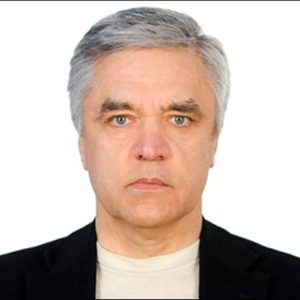
Sergey Suchkov
N.D. Zelinskii Institute for Organic Chemistry of the Russian Academy of Sciences & InMedStar, Russian Federation
Masafumi Seki
Saitama Medical University International Medical Center, Japan
Martha Grace McLean
Anne Burnett Marion School of Medicine at Texas Christian University, United StatesSubmit your abstract Today


Title : Diagnostic approaches, predictive and prognostic assessments, monitoring, treatment & management of infectious diseases and disease prevention
Sergey Suchkov, N.D. Zelinskii Institute for Organic Chemistry of the Russian Academy of Sciences & InMedStar, Russian Federation
Title : The accelerated timeline: Human ecology, climate change, and the next global outbreak
Claudia Ferreira, Sorbonne University, France
Title : Climate changes & increasing pollution and respiratory illnesses
Yazdan Mirzanejad, University of British Columbia, Canada
Title : Recurrent klebsiella pneumoniae pyogenic liver abscess: Developing a literature-informed 0–2 scoring framework from a solved index case
Martha Grace McLean, Anne Burnett Marion School of Medicine at Texas Christian University, United States
Title : Post-hysterectomy pelvic abscess mimic: An AI-assisted diagnostic stewardship workflow
Setu Shiroya, Anne Burnett Marion School of Medicine at Texas Christian University, United States
Title : Building a clinical reasoning tool from post-transplant MRSA sepsis: A mentored ai workflow
Michaela Mitchell, Anne Burnett Marion School of Medicine at Texas Christian University, United States