11th Edition of World Congress on Infectious Diseases
June 28-30, 2027 | Rome, Italy

Climate Change and Microbial Threats
Climate change and microbial threats are two interconnected challenges that pose significant risks to global health and security. Climate change, driven primarily by human activities such as burning fossil fuels and deforestation, is leading to rising global temperatures, changing weather patterns, and more frequent extreme weather events. These environmental changes create favorable conditions for the emergence, spread, and persistence of microbial pathogens, including bacteria, viruses, and parasites. As a result, we are witnessing an increase in the incidence of infectious diseases, ranging from vector-borne illnesses like malaria and dengue fever to waterborne diseases such as cholera. Furthermore, climate change exacerbates existing health inequalities, disproportionately impacting vulnerable populations who lack access to adequate healthcare, clean water, and sanitation. Addressing both climate change and microbial threats requires urgent and coordinated action at local, national, and global levels, including mitigation efforts to reduce greenhouse gas emissions, adaptation measures to strengthen public health systems, and enhanced surveillance and response capabilities to prevent and control infectious disease outbreaks.

Ranjan Ramasamy
ID-FISH Technology, United States
Yazdan Mirzanejad
University of British Columbia, Canada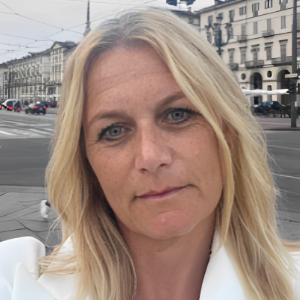
Elena Chiappini
University of Florence, Italy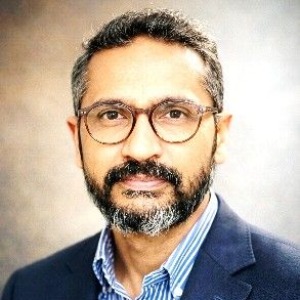
Saurabh Chattopadhyay
University of Kentucky College of Medicine, United States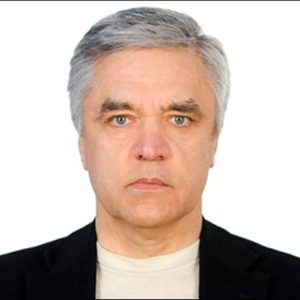
Sergey Suchkov
N.D. Zelinskii Institute for Organic Chemistry of the Russian Academy of Sciences & InMedStar, Russian Federation
Masafumi Seki
Saitama Medical University International Medical Center, Japan
Martha Grace McLean
Anne Burnett Marion School of Medicine at Texas Christian University, United StatesSubmit your abstract Today


Title : Diagnostic approaches, predictive and prognostic assessments, monitoring, treatment & management of infectious diseases and disease prevention
Sergey Suchkov, N.D. Zelinskii Institute for Organic Chemistry of the Russian Academy of Sciences & InMedStar, Russian Federation
Title : The accelerated timeline: Human ecology, climate change, and the next global outbreak
Claudia Ferreira, Sorbonne University, France
Title : Climate changes & increasing pollution and respiratory illnesses
Yazdan Mirzanejad, University of British Columbia, Canada
Title : Recurrent klebsiella pneumoniae pyogenic liver abscess: Developing a literature-informed 0–2 scoring framework from a solved index case
Martha Grace McLean, Anne Burnett Marion School of Medicine at Texas Christian University, United States
Title : Post-hysterectomy pelvic abscess mimic: An AI-assisted diagnostic stewardship workflow
Setu Shiroya, Anne Burnett Marion School of Medicine at Texas Christian University, United States
Title : Building a clinical reasoning tool from post-transplant MRSA sepsis: A mentored ai workflow
Michaela Mitchell, Anne Burnett Marion School of Medicine at Texas Christian University, United States