11th Edition of World Congress on Infectious Diseases
June 28-30, 2027 | Rome, Italy

Clostridioides difficile
Clostridioides difficile, formerly known as Clostridium difficile, is a bacterium notorious for causing severe gastrointestinal infections, often in healthcare settings. This resilient pathogen thrives in environments altered by antibiotic use, disrupting the balance of gut microbiota and allowing C. difficile to proliferate and produce toxins. The resulting infection, known as C. difficile-associated disease (CDAD), manifests as diarrhea, abdominal pain, and, in severe cases, life-threatening complications such as pseudomembranous colitis and toxic megacolon. Managing CDAD poses significant challenges due to the bacterium's ability to form resilient spores, making it resistant to many standard disinfection methods. Prevention and control strategies, including stringent hand hygiene practices, judicious antibiotic use, and environmental decontamination, are essential for combating C. difficile infections and reducing their impact on patient outcomes and healthcare systems.

Ranjan Ramasamy
ID-FISH Technology, United States
Yazdan Mirzanejad
University of British Columbia, Canada
Elena Chiappini
University of Florence, Italy
Saurabh Chattopadhyay
University of Kentucky College of Medicine, United States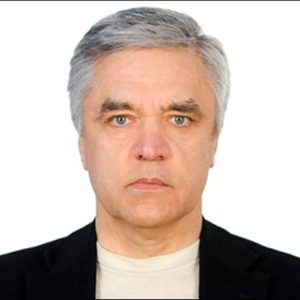
Sergey Suchkov
N.D. Zelinskii Institute for Organic Chemistry of the Russian Academy of Sciences & InMedStar, Russian Federation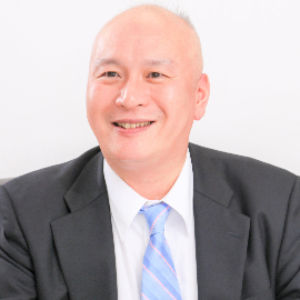
Masafumi Seki
Saitama Medical University International Medical Center, Japan
Martha Grace McLean
Anne Burnett Marion School of Medicine at Texas Christian University, United StatesSubmit your abstract Today


Title : Diagnostic approaches, predictive and prognostic assessments, monitoring, treatment & management of infectious diseases and disease prevention
Sergey Suchkov, N.D. Zelinskii Institute for Organic Chemistry of the Russian Academy of Sciences & InMedStar, Russian Federation
Title : The accelerated timeline: Human ecology, climate change, and the next global outbreak
Claudia Ferreira, Sorbonne University, France
Title : Climate changes & increasing pollution and respiratory illnesses
Yazdan Mirzanejad, University of British Columbia, Canada
Title : Recurrent klebsiella pneumoniae pyogenic liver abscess: Developing a literature-informed 0–2 scoring framework from a solved index case
Martha Grace McLean, Anne Burnett Marion School of Medicine at Texas Christian University, United States
Title : Post-hysterectomy pelvic abscess mimic: An AI-assisted diagnostic stewardship workflow
Setu Shiroya, Anne Burnett Marion School of Medicine at Texas Christian University, United States
Title : Building a clinical reasoning tool from post-transplant MRSA sepsis: A mentored ai workflow
Michaela Mitchell, Anne Burnett Marion School of Medicine at Texas Christian University, United States