11th Edition of World Congress on Infectious Diseases
June 28-30, 2027 | Rome, Italy

Disease Surveillance Specialists
Disease Surveillance Specialists are pivotal in identifying, tracking, and responding to infectious disease outbreaks across populations. They collect and analyze health data from diverse sources—such as hospitals, laboratories, and field reports—to detect early warning signs of epidemics and monitor the spread of diseases. Their expertise enables public health authorities to make timely decisions and deploy interventions that contain outbreaks before they escalate. By utilizing advanced digital surveillance systems, predictive modeling, and real-time data sharing platforms, these specialists help create a comprehensive picture of global and local disease threats. Beyond data analysis, Disease Surveillance Specialists collaborate with epidemiologists, clinicians, and international health agencies to strengthen disease reporting networks and response protocols. They contribute to outbreak investigations, design monitoring frameworks, and support vaccination campaigns and public health communication efforts. Their work ensures communities are better prepared to face infectious threats such as COVID-19, dengue, measles, and other emerging pathogens. They also play a vital role in strengthening surveillance capacity in low-resource regions through training, infrastructure support, and technical guidance. In an era of global mobility and climate-related health challenges, their vigilance and expertise are crucial to protecting public health and preventing future pandemics. Their insights are also key to evaluating long-term disease trends and informing proactive health policies.

Ranjan Ramasamy
ID-FISH Technology, United States
Yazdan Mirzanejad
University of British Columbia, Canada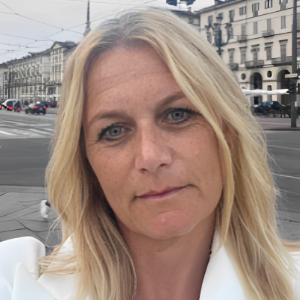
Elena Chiappini
University of Florence, Italy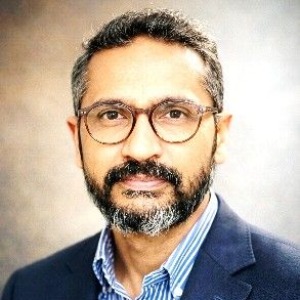
Saurabh Chattopadhyay
University of Kentucky College of Medicine, United States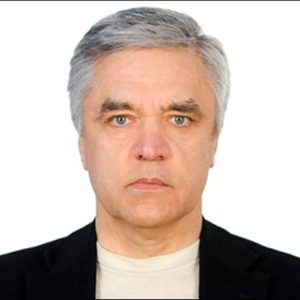
Sergey Suchkov
N.D. Zelinskii Institute for Organic Chemistry of the Russian Academy of Sciences & InMedStar, Russian Federation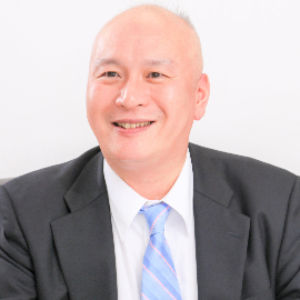
Masafumi Seki
Saitama Medical University International Medical Center, Japan
Martha Grace McLean
Anne Burnett Marion School of Medicine at Texas Christian University, United StatesSubmit your abstract Today


Title : Diagnostic approaches, predictive and prognostic assessments, monitoring, treatment & management of infectious diseases and disease prevention
Sergey Suchkov, N.D. Zelinskii Institute for Organic Chemistry of the Russian Academy of Sciences & InMedStar, Russian Federation
Title : The accelerated timeline: Human ecology, climate change, and the next global outbreak
Claudia Ferreira, Sorbonne University, France
Title : Climate changes & increasing pollution and respiratory illnesses
Yazdan Mirzanejad, University of British Columbia, Canada
Title : Recurrent klebsiella pneumoniae pyogenic liver abscess: Developing a literature-informed 0–2 scoring framework from a solved index case
Martha Grace McLean, Anne Burnett Marion School of Medicine at Texas Christian University, United States
Title : Post-hysterectomy pelvic abscess mimic: An AI-assisted diagnostic stewardship workflow
Setu Shiroya, Anne Burnett Marion School of Medicine at Texas Christian University, United States
Title : Building a clinical reasoning tool from post-transplant MRSA sepsis: A mentored ai workflow
Michaela Mitchell, Anne Burnett Marion School of Medicine at Texas Christian University, United States