11th Edition of World Congress on Infectious Diseases
June 28-30, 2027 | Rome, Italy

Disinfectants
Antimicrobial disinfectants play a pivotal role in maintaining a healthy and sanitized environment by targeting and neutralizing harmful microorganisms. These agents are employed across diverse sectors, including healthcare, food processing, and residential spaces, to curb the spread of infectious diseases. One significant category of disinfectants is the group of phenolic compounds. These compounds disrupt microbial cell walls and membranes, leading to the deactivation of pathogens. Phenolics are known for their effectiveness against a wide range of bacteria and viruses, making them valuable in hospitals and laboratories. Another widely used disinfectant is formaldehyde, known for its strong antimicrobial properties. It acts by denaturing proteins and interfering with the metabolic processes of microorganisms. Formaldehyde is commonly utilized in healthcare settings and mortuaries for its reliable disinfection capabilities. Quaternary ammonium compounds (QACs) represent a class of disinfectants widely employed for their broad-spectrum antimicrobial activity. QACs disrupt the cell membranes of microorganisms, leading to their inactivation. These compounds find applications in surface disinfection and cleaning products. In conclusion, the diverse array of disinfectants and their mechanisms of action are critical components in the ongoing battle against infectious microorganisms. The careful selection and application of these agents contribute significantly to public health and safety.

Ranjan Ramasamy
ID-FISH Technology, United States
Yazdan Mirzanejad
University of British Columbia, Canada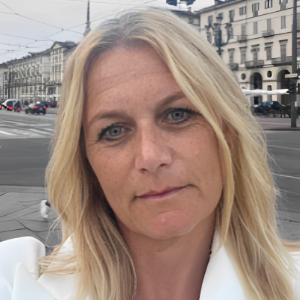
Elena Chiappini
University of Florence, Italy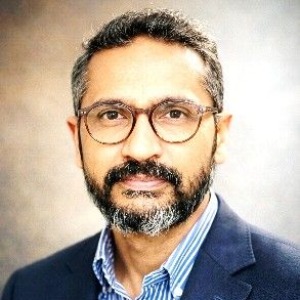
Saurabh Chattopadhyay
University of Kentucky College of Medicine, United States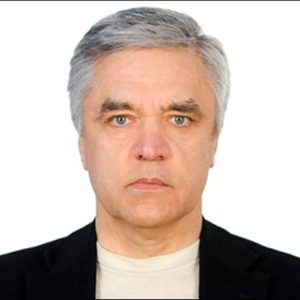
Sergey Suchkov
N.D. Zelinskii Institute for Organic Chemistry of the Russian Academy of Sciences & InMedStar, Russian Federation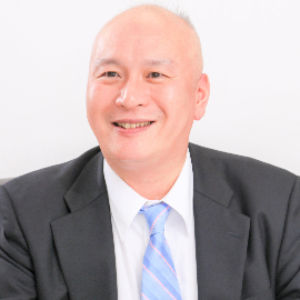
Masafumi Seki
Saitama Medical University International Medical Center, Japan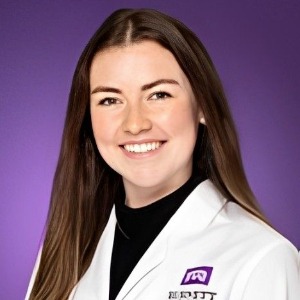
Martha Grace McLean
Anne Burnett Marion School of Medicine at Texas Christian University, United StatesSubmit your abstract Today


Title : Diagnostic approaches, predictive and prognostic assessments, monitoring, treatment & management of infectious diseases and disease prevention
Sergey Suchkov, N.D. Zelinskii Institute for Organic Chemistry of the Russian Academy of Sciences & InMedStar, Russian Federation
Title : The accelerated timeline: Human ecology, climate change, and the next global outbreak
Claudia Ferreira, Sorbonne University, France
Title : Climate changes & increasing pollution and respiratory illnesses
Yazdan Mirzanejad, University of British Columbia, Canada
Title : Recurrent klebsiella pneumoniae pyogenic liver abscess: Developing a literature-informed 0–2 scoring framework from a solved index case
Martha Grace McLean, Anne Burnett Marion School of Medicine at Texas Christian University, United States
Title : Post-hysterectomy pelvic abscess mimic: An AI-assisted diagnostic stewardship workflow
Setu Shiroya, Anne Burnett Marion School of Medicine at Texas Christian University, United States
Title : Building a clinical reasoning tool from post-transplant MRSA sepsis: A mentored ai workflow
Michaela Mitchell, Anne Burnett Marion School of Medicine at Texas Christian University, United States