11th Edition of World Congress on Infectious Diseases
June 28-30, 2027 | Rome, Italy

Field Epidemiologists
Field Epidemiologists are frontline public health professionals who investigate and respond to disease outbreaks and health emergencies directly in the communities where they occur. They collect and analyze data on the ground, conduct interviews, trace contacts, and identify the source and extent of infectious disease transmission. Whether dealing with cholera in rural areas, Ebola in conflict zones, or COVID-19 clusters in urban centers, their work is vital for implementing timely interventions and limiting disease spread. Their ability to work under pressure in diverse and often resource-limited environments makes them indispensable to national and global health efforts.
These specialists collaborate with local health departments, international agencies, and laboratories to deliver evidence-based recommendations for controlling outbreaks. They also help establish early warning systems, train local healthcare workers, and build surveillance infrastructure that enhances long-term public health capacity. Field Epidemiologists play a key role in evaluating the effectiveness of interventions such as quarantine, vaccination, and risk communication. Their real-time findings inform public health strategies and enable rapid, data-driven responses to emerging threats. In crisis settings, they are often among the first responders, ensuring that communities receive accurate information, timely care, and coordinated support. Their dedication and expertise serve as a critical link between science and action in the fight against infectious diseases.

Ranjan Ramasamy
ID-FISH Technology, United States
Yazdan Mirzanejad
University of British Columbia, Canada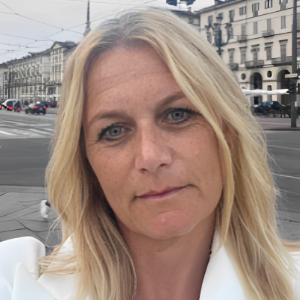
Elena Chiappini
University of Florence, Italy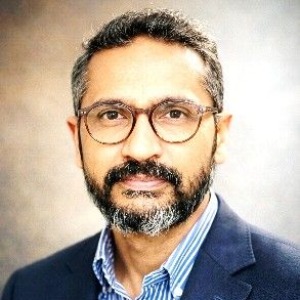
Saurabh Chattopadhyay
University of Kentucky College of Medicine, United States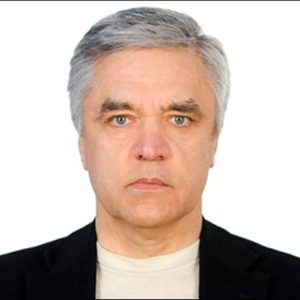
Sergey Suchkov
N.D. Zelinskii Institute for Organic Chemistry of the Russian Academy of Sciences & InMedStar, Russian Federation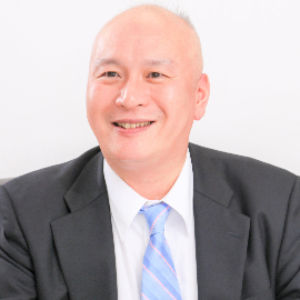
Masafumi Seki
Saitama Medical University International Medical Center, Japan
Martha Grace McLean
Anne Burnett Marion School of Medicine at Texas Christian University, United StatesSubmit your abstract Today


Title : Diagnostic approaches, predictive and prognostic assessments, monitoring, treatment & management of infectious diseases and disease prevention
Sergey Suchkov, N.D. Zelinskii Institute for Organic Chemistry of the Russian Academy of Sciences & InMedStar, Russian Federation
Title : The accelerated timeline: Human ecology, climate change, and the next global outbreak
Claudia Ferreira, Sorbonne University, France
Title : Climate changes & increasing pollution and respiratory illnesses
Yazdan Mirzanejad, University of British Columbia, Canada
Title : Recurrent klebsiella pneumoniae pyogenic liver abscess: Developing a literature-informed 0–2 scoring framework from a solved index case
Martha Grace McLean, Anne Burnett Marion School of Medicine at Texas Christian University, United States
Title : Post-hysterectomy pelvic abscess mimic: An AI-assisted diagnostic stewardship workflow
Setu Shiroya, Anne Burnett Marion School of Medicine at Texas Christian University, United States
Title : Building a clinical reasoning tool from post-transplant MRSA sepsis: A mentored ai workflow
Michaela Mitchell, Anne Burnett Marion School of Medicine at Texas Christian University, United States