11th Edition of World Congress on Infectious Diseases
June 28-30, 2027 | Rome, Italy

Fungal Sinusitis
Recent advancements in the understanding of fungal sinusitis have shed light on the complex interactions between the host immune system and fungal pathogens. Researchers are exploring the role of genetic predisposition in susceptibility to fungal sinusitis, identifying key immune pathways that influence the severity of the disease. Furthermore, studies are investigating the potential use of immunomodulatory therapies to enhance the body's ability to fight fungal infections in the sinuses. In terms of diagnostics, molecular techniques are being developed to improve the accuracy of identifying fungal species involved in sinusitis. This includes the use of advanced PCR (polymerase chain reaction) assays and next-generation sequencing to precisely characterize the fungal components present in sinus samples. These diagnostic tools not only aid in accurate identification but also guide clinicians in tailoring targeted antifungal treatments. In the realm of treatment, ongoing research is focused on developing novel antifungal agents with improved efficacy and reduced side effects. Additionally, immunotherapies aimed at boosting the immune response against fungal pathogens are being explored as potential adjuncts to traditional antifungal medications. These advancements hold promise for more effective and personalized management of fungal sinusitis, especially in challenging cases where standard treatments may be less effective.

Ranjan Ramasamy
ID-FISH Technology, United States
Yazdan Mirzanejad
University of British Columbia, Canada
Elena Chiappini
University of Florence, Italy
Saurabh Chattopadhyay
University of Kentucky College of Medicine, United States
Sergey Suchkov
N.D. Zelinskii Institute for Organic Chemistry of the Russian Academy of Sciences & InMedStar, Russian Federation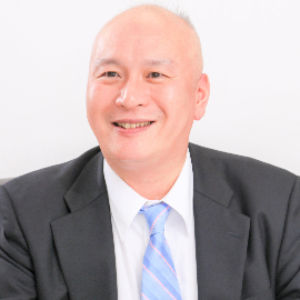
Masafumi Seki
Saitama Medical University International Medical Center, Japan
Martha Grace McLean
Anne Burnett Marion School of Medicine at Texas Christian University, United StatesSubmit your abstract Today


Title : Diagnostic approaches, predictive and prognostic assessments, monitoring, treatment & management of infectious diseases and disease prevention
Sergey Suchkov, N.D. Zelinskii Institute for Organic Chemistry of the Russian Academy of Sciences & InMedStar, Russian Federation
Title : The accelerated timeline: Human ecology, climate change, and the next global outbreak
Claudia Ferreira, Sorbonne University, France
Title : Climate changes & increasing pollution and respiratory illnesses
Yazdan Mirzanejad, University of British Columbia, Canada
Title : Recurrent klebsiella pneumoniae pyogenic liver abscess: Developing a literature-informed 0–2 scoring framework from a solved index case
Martha Grace McLean, Anne Burnett Marion School of Medicine at Texas Christian University, United States
Title : Post-hysterectomy pelvic abscess mimic: An AI-assisted diagnostic stewardship workflow
Setu Shiroya, Anne Burnett Marion School of Medicine at Texas Christian University, United States
Title : Building a clinical reasoning tool from post-transplant MRSA sepsis: A mentored ai workflow
Michaela Mitchell, Anne Burnett Marion School of Medicine at Texas Christian University, United States