11th Edition of World Congress on Infectious Diseases
June 28-30, 2027 | Rome, Italy

Genome Research
The field of genome research in antimicrobials stands at the forefront of innovation, steering the course for the development of next-generation therapies. Through meticulous genomic exploration, scientists unravel the genetic architecture of microorganisms, deciphering the molecular mechanisms that govern their interaction with antimicrobial agents. One pivotal aspect of genome research is the identification of genetic determinants influencing microbial susceptibility. Unraveling these determinants not only enhances our understanding of microbial responses but also paves the way for precision medicine approaches, tailoring antimicrobial treatments based on individual genetic profiles. Antimicrobial resistance, a global health concern, finds its nemesis in genome research. By scrutinizing the genomic blueprints of resistant strains, researchers gain valuable insights into the adaptive strategies employed by microorganisms. This knowledge informs the design of strategies to overcome resistance and opens avenues for the development of new antimicrobial agents. The integration of genomics and functional studies has proven instrumental in discovering novel antimicrobial compounds. Genome research accelerates the identification of potential drug targets, expediting the translation of genomic insights into tangible therapeutic solutions. As we navigate the genomic landscape, genome research in antimicrobials emerges as a dynamic force propelling the frontier of innovation in infectious disease management.

Ranjan Ramasamy
ID-FISH Technology, United States
Yazdan Mirzanejad
University of British Columbia, Canada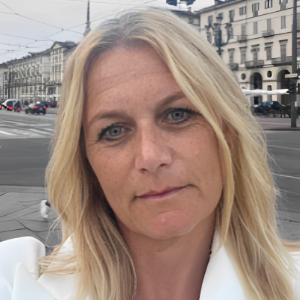
Elena Chiappini
University of Florence, Italy
Saurabh Chattopadhyay
University of Kentucky College of Medicine, United States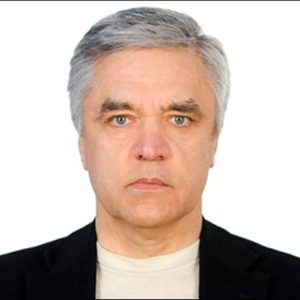
Sergey Suchkov
N.D. Zelinskii Institute for Organic Chemistry of the Russian Academy of Sciences & InMedStar, Russian Federation
Masafumi Seki
Saitama Medical University International Medical Center, Japan
Martha Grace McLean
Anne Burnett Marion School of Medicine at Texas Christian University, United StatesSubmit your abstract Today


Title : Diagnostic approaches, predictive and prognostic assessments, monitoring, treatment & management of infectious diseases and disease prevention
Sergey Suchkov, N.D. Zelinskii Institute for Organic Chemistry of the Russian Academy of Sciences & InMedStar, Russian Federation
Title : The accelerated timeline: Human ecology, climate change, and the next global outbreak
Claudia Ferreira, Sorbonne University, France
Title : Climate changes & increasing pollution and respiratory illnesses
Yazdan Mirzanejad, University of British Columbia, Canada
Title : Recurrent klebsiella pneumoniae pyogenic liver abscess: Developing a literature-informed 0–2 scoring framework from a solved index case
Martha Grace McLean, Anne Burnett Marion School of Medicine at Texas Christian University, United States
Title : Post-hysterectomy pelvic abscess mimic: An AI-assisted diagnostic stewardship workflow
Setu Shiroya, Anne Burnett Marion School of Medicine at Texas Christian University, United States
Title : Building a clinical reasoning tool from post-transplant MRSA sepsis: A mentored ai workflow
Michaela Mitchell, Anne Burnett Marion School of Medicine at Texas Christian University, United States