11th Edition of World Congress on Infectious Diseases
June 28-30, 2027 | Rome, Italy

Germ Theory of Infections
In the contemporary era, the germ theory of infections remains a cornerstone of medical science, guiding research, diagnostics, and therapeutic strategies. Advances in technology, such as DNA sequencing and molecular biology techniques, have allowed scientists to delve deeper into the complexities of microbial pathogens and host interactions. Genomic studies have enabled the identification of virulence factors, mechanisms of antimicrobial resistance, and the exploration of microbial communities within the human body. This detailed understanding of the molecular underpinnings of infections has facilitated the development of precision medicine approaches, allowing for personalized treatments based on the specific characteristics of the infecting microorganism. Moreover, the germ theory has influenced public health measures, emphasizing the importance of vaccination, sanitation, and infection control practices. Vaccination campaigns have led to the eradication or significant reduction of many infectious diseases, showcasing the practical impact of the germ theory on global health. However, challenges such as emerging infectious diseases, antimicrobial resistance, and the ongoing COVID-19 pandemic underscore the continued relevance of the germ theory. Ongoing research aims to address these challenges by developing new vaccines, antimicrobial agents, and innovative strategies grounded in the principles of the germ theory of infections. In this way, the germ theory remains a dynamic and foundational concept in the ongoing battle against infectious diseases.

Ranjan Ramasamy
ID-FISH Technology, United States
Yazdan Mirzanejad
University of British Columbia, Canada
Elena Chiappini
University of Florence, Italy
Saurabh Chattopadhyay
University of Kentucky College of Medicine, United States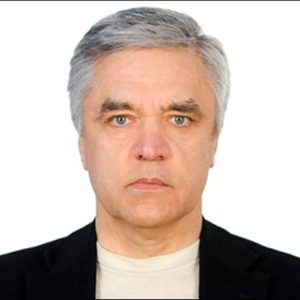
Sergey Suchkov
N.D. Zelinskii Institute for Organic Chemistry of the Russian Academy of Sciences & InMedStar, Russian Federation
Masafumi Seki
Saitama Medical University International Medical Center, Japan
Martha Grace McLean
Anne Burnett Marion School of Medicine at Texas Christian University, United StatesSubmit your abstract Today


Title : Diagnostic approaches, predictive and prognostic assessments, monitoring, treatment & management of infectious diseases and disease prevention
Sergey Suchkov, N.D. Zelinskii Institute for Organic Chemistry of the Russian Academy of Sciences & InMedStar, Russian Federation
Title : The accelerated timeline: Human ecology, climate change, and the next global outbreak
Claudia Ferreira, Sorbonne University, France
Title : Climate changes & increasing pollution and respiratory illnesses
Yazdan Mirzanejad, University of British Columbia, Canada
Title : Recurrent klebsiella pneumoniae pyogenic liver abscess: Developing a literature-informed 0–2 scoring framework from a solved index case
Martha Grace McLean, Anne Burnett Marion School of Medicine at Texas Christian University, United States
Title : Post-hysterectomy pelvic abscess mimic: An AI-assisted diagnostic stewardship workflow
Setu Shiroya, Anne Burnett Marion School of Medicine at Texas Christian University, United States
Title : Building a clinical reasoning tool from post-transplant MRSA sepsis: A mentored ai workflow
Michaela Mitchell, Anne Burnett Marion School of Medicine at Texas Christian University, United States