11th Edition of World Congress on Infectious Diseases
June 28-30, 2027 | Rome, Italy

Global Health Security Experts
Global Health Security Experts play a vital role in protecting populations from infectious disease threats that transcend national borders. They focus on strengthening systems that detect, prevent, and respond to health emergencies, including pandemics, bioterrorism, and antimicrobial resistance. These experts collaborate with governments, international organizations, and healthcare systems to develop frameworks for emergency preparedness, risk assessment, and coordinated response. By analyzing vulnerabilities in surveillance, laboratory networks, and healthcare infrastructure, they help build resilient systems capable of withstanding global health crises. Their work ensures that local outbreaks do not escalate into international emergencies.
Global Health Security Experts advocate for policies that enhance cross-border data sharing, outbreak transparency, and equitable access to vaccines and treatments. They contribute to initiatives such as the International Health Regulations (IHR), the Global Health Security Agenda (GHSA), and pandemic simulation exercises. Their work supports the early detection of emerging pathogens and the rapid containment of disease spread. As the world becomes more interconnected, their expertise is essential in unifying global health efforts and minimizing the impact of future outbreaks. They not only protect human lives but also preserve economic stability and international security. Their leadership is critical in guiding a coordinated, science-driven response to global health challenges.

Ranjan Ramasamy
ID-FISH Technology, United States
Yazdan Mirzanejad
University of British Columbia, Canada
Elena Chiappini
University of Florence, Italy
Saurabh Chattopadhyay
University of Kentucky College of Medicine, United States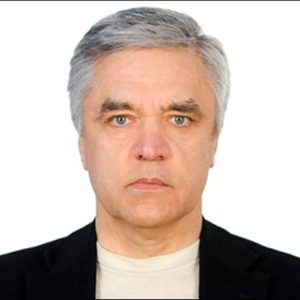
Sergey Suchkov
N.D. Zelinskii Institute for Organic Chemistry of the Russian Academy of Sciences & InMedStar, Russian Federation
Masafumi Seki
Saitama Medical University International Medical Center, Japan
Martha Grace McLean
Anne Burnett Marion School of Medicine at Texas Christian University, United StatesSubmit your abstract Today


Title : Diagnostic approaches, predictive and prognostic assessments, monitoring, treatment & management of infectious diseases and disease prevention
Sergey Suchkov, N.D. Zelinskii Institute for Organic Chemistry of the Russian Academy of Sciences & InMedStar, Russian Federation
Title : The accelerated timeline: Human ecology, climate change, and the next global outbreak
Claudia Ferreira, Sorbonne University, France
Title : Climate changes & increasing pollution and respiratory illnesses
Yazdan Mirzanejad, University of British Columbia, Canada
Title : Recurrent klebsiella pneumoniae pyogenic liver abscess: Developing a literature-informed 0–2 scoring framework from a solved index case
Martha Grace McLean, Anne Burnett Marion School of Medicine at Texas Christian University, United States
Title : Post-hysterectomy pelvic abscess mimic: An AI-assisted diagnostic stewardship workflow
Setu Shiroya, Anne Burnett Marion School of Medicine at Texas Christian University, United States
Title : Building a clinical reasoning tool from post-transplant MRSA sepsis: A mentored ai workflow
Michaela Mitchell, Anne Burnett Marion School of Medicine at Texas Christian University, United States