11th Edition of World Congress on Infectious Diseases
June 28-30, 2027 | Rome, Italy

Infectious Disease Specialists
Infectious Disease Specialists are highly trained physicians who focus on identifying and treating illnesses caused by microscopic organisms such as bacteria, viruses, and fungi. When a patient presents with a condition that is difficult to diagnose or not responding to conventional treatments, these specialists are called in to investigate further. Their approach often involves a combination of advanced diagnostic testing, comprehensive patient history reviews, and collaboration with other medical teams to pinpoint the source of illness and recommend targeted therapies. Their work is especially critical in cases involving persistent fevers, uncommon infections, or rare pathogens acquired from travel.
These experts not only treat individual patients but also play a key role in larger healthcare systems by overseeing infection prevention protocols in hospitals, managing immunization programs, and guiding the use of antimicrobial medications. They are frequently involved in public health efforts, helping to monitor and contain potential outbreaks and advising on health risks related to travel, global migration, and environmental changes. With the increasing complexity of global health threats, their expertise is instrumental in both day-to-day clinical care and in broader epidemiological planning. Their knowledge helps protect vulnerable populations and supports the development of more effective treatment and prevention strategies.

Ranjan Ramasamy
ID-FISH Technology, United States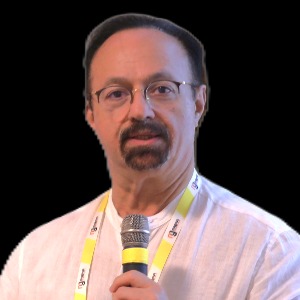
Yazdan Mirzanejad
University of British Columbia, Canada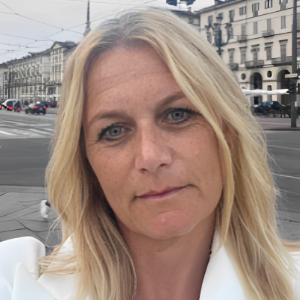
Elena Chiappini
University of Florence, Italy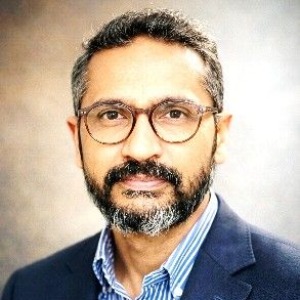
Saurabh Chattopadhyay
University of Kentucky College of Medicine, United States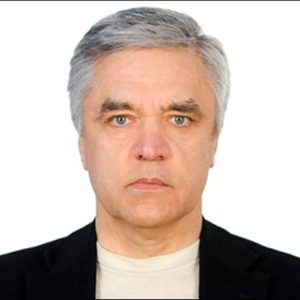
Sergey Suchkov
N.D. Zelinskii Institute for Organic Chemistry of the Russian Academy of Sciences & InMedStar, Russian Federation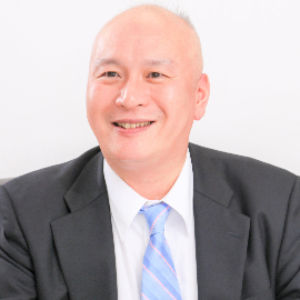
Masafumi Seki
Saitama Medical University International Medical Center, Japan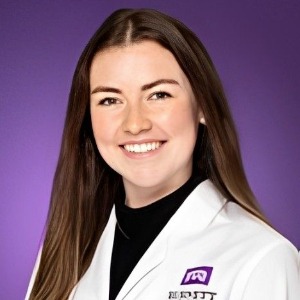
Martha Grace McLean
Anne Burnett Marion School of Medicine at Texas Christian University, United StatesSubmit your abstract Today


Title : Diagnostic approaches, predictive and prognostic assessments, monitoring, treatment & management of infectious diseases and disease prevention
Sergey Suchkov, N.D. Zelinskii Institute for Organic Chemistry of the Russian Academy of Sciences & InMedStar, Russian Federation
Title : The accelerated timeline: Human ecology, climate change, and the next global outbreak
Claudia Ferreira, Sorbonne University, France
Title : Climate changes & increasing pollution and respiratory illnesses
Yazdan Mirzanejad, University of British Columbia, Canada
Title : Recurrent klebsiella pneumoniae pyogenic liver abscess: Developing a literature-informed 0–2 scoring framework from a solved index case
Martha Grace McLean, Anne Burnett Marion School of Medicine at Texas Christian University, United States
Title : Post-hysterectomy pelvic abscess mimic: An AI-assisted diagnostic stewardship workflow
Setu Shiroya, Anne Burnett Marion School of Medicine at Texas Christian University, United States
Title : Building a clinical reasoning tool from post-transplant MRSA sepsis: A mentored ai workflow
Michaela Mitchell, Anne Burnett Marion School of Medicine at Texas Christian University, United States