
11th Edition of World Congress on Infectious Diseases
June 28-30, 2027 | Rome, Italy

Liver Fluke Diseases
Liver fluke diseases, caused by parasitic flatworms of the family Opisthorchiidae and Fasciolidae, affect the liver, bile ducts, and gallbladder. The two main species responsible for human infections are Opisthorchis viverrini and Fasciola hepatica. These parasites have complex life cycles involving freshwater snails as intermediate hosts and infective stages (metacercariae) encysted on aquatic plants. Transmission to humans occurs through the ingestion of undercooked or raw freshwater fish containing the infective metacercariae. In areas where liver fluke diseases are endemic, cultural practices involving the consumption of raw or fermented fish contribute to the high prevalence of these infections. Clinical manifestations of liver fluke diseases vary depending on the species involved. Opisthorchis viverrini infections can lead to cholangiocarcinoma, a type of bile duct cancer, while Fasciola hepatica infections cause hepatic inflammation and fibrosis. Chronic infections may result in complications such as jaundice, abdominal pain, and hepatomegaly. Diagnosis involves stool examination for parasite eggs, serological tests, and imaging studies such as ultrasound or computed tomography (CT) scans. Anthelmintic medications, such as praziquantel or triclabendazole, are used for treatment, but prevention through proper cooking of fish and public health education is crucial in endemic regions.

Ranjan Ramasamy
ID-FISH Technology, United States
Yazdan Mirzanejad
University of British Columbia, Canada
Elena Chiappini
University of Florence, Italy
Saurabh Chattopadhyay
University of Kentucky College of Medicine, United States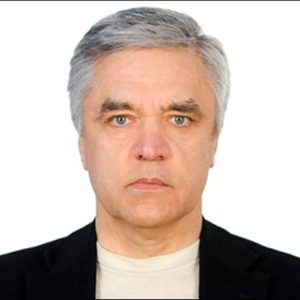
Sergey Suchkov
N.D. Zelinskii Institute for Organic Chemistry of the Russian Academy of Sciences & InMedStar, Russian Federation
Masafumi Seki
Saitama Medical University International Medical Center, Japan
Martha Grace McLean
Anne Burnett Marion School of Medicine at Texas Christian University, United StatesSubmit your abstract Today


Title : Diagnostic approaches, predictive and prognostic assessments, monitoring, treatment & management of infectious diseases and disease prevention
Sergey Suchkov, N.D. Zelinskii Institute for Organic Chemistry of the Russian Academy of Sciences & InMedStar, Russian Federation
Title : The accelerated timeline: Human ecology, climate change, and the next global outbreak
Claudia Ferreira, Sorbonne University, France
Title : Climate changes & increasing pollution and respiratory illnesses
Yazdan Mirzanejad, University of British Columbia, Canada
Title : Recurrent klebsiella pneumoniae pyogenic liver abscess: Developing a literature-informed 0–2 scoring framework from a solved index case
Martha Grace McLean, Anne Burnett Marion School of Medicine at Texas Christian University, United States
Title : Post-hysterectomy pelvic abscess mimic: An AI-assisted diagnostic stewardship workflow
Setu Shiroya, Anne Burnett Marion School of Medicine at Texas Christian University, United States
Title : Building a clinical reasoning tool from post-transplant MRSA sepsis: A mentored ai workflow
Michaela Mitchell, Anne Burnett Marion School of Medicine at Texas Christian University, United States