11th Edition of World Congress on Infectious Diseases
June 28-30, 2027 | Rome, Italy

Macrolides
In the realm of antimicrobials, macrolides stand out as a versatile class of antibiotics with a broad spectrum of activity. These drugs are characterized by their complex structure, consisting of a large macrocyclic lactone ring. This unique structure contributes to their ability to combat a diverse range of bacterial infections. Erythromycin, the prototypical macrolide, paved the way for subsequent derivatives like azithromycin and clarithromycin. Their mechanism of action involves binding to the bacterial ribosome, inhibiting protein synthesis. This interference disrupts the normal functioning of bacteria, leading to their inhibition or destruction. Macrolides find application in the treatment of respiratory tract infections, skin and soft tissue infections, and certain atypical bacterial infections. Azithromycin, in particular, is well-regarded for its wide tissue distribution and prolonged action, allowing for shorter treatment courses. While macrolides are generally well-tolerated, they are not immune to adverse effects. Gastrointestinal symptoms, liver enzyme abnormalities, and potential interactions with other medications should be considered when prescribing these antibiotics. As with any antimicrobial, prudent use and awareness of potential side effects are crucial for optimizing patient outcomes.

Ranjan Ramasamy
ID-FISH Technology, United States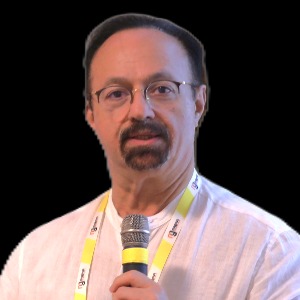
Yazdan Mirzanejad
University of British Columbia, Canada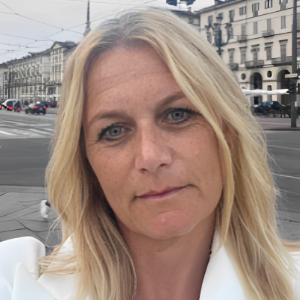
Elena Chiappini
University of Florence, Italy
Saurabh Chattopadhyay
University of Kentucky College of Medicine, United States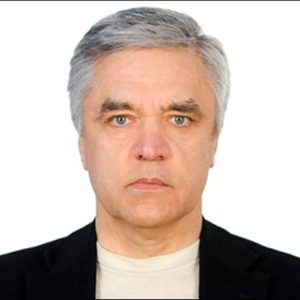
Sergey Suchkov
N.D. Zelinskii Institute for Organic Chemistry of the Russian Academy of Sciences & InMedStar, Russian Federation
Masafumi Seki
Saitama Medical University International Medical Center, Japan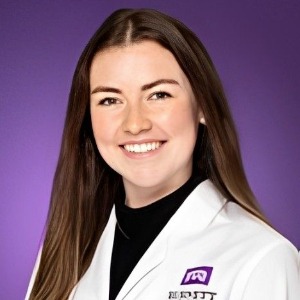
Martha Grace McLean
Anne Burnett Marion School of Medicine at Texas Christian University, United StatesSubmit your abstract Today


Title : Diagnostic approaches, predictive and prognostic assessments, monitoring, treatment & management of infectious diseases and disease prevention
Sergey Suchkov, N.D. Zelinskii Institute for Organic Chemistry of the Russian Academy of Sciences & InMedStar, Russian Federation
Title : The accelerated timeline: Human ecology, climate change, and the next global outbreak
Claudia Ferreira, Sorbonne University, France
Title : Climate changes & increasing pollution and respiratory illnesses
Yazdan Mirzanejad, University of British Columbia, Canada
Title : Recurrent klebsiella pneumoniae pyogenic liver abscess: Developing a literature-informed 0–2 scoring framework from a solved index case
Martha Grace McLean, Anne Burnett Marion School of Medicine at Texas Christian University, United States
Title : Post-hysterectomy pelvic abscess mimic: An AI-assisted diagnostic stewardship workflow
Setu Shiroya, Anne Burnett Marion School of Medicine at Texas Christian University, United States
Title : Building a clinical reasoning tool from post-transplant MRSA sepsis: A mentored ai workflow
Michaela Mitchell, Anne Burnett Marion School of Medicine at Texas Christian University, United States