11th Edition of World Congress on Infectious Diseases
June 28-30, 2027 | Rome, Italy

Medical Microbiology
Medical microbiology is a specialized branch of microbiology that focuses on the study of microorganisms relevant to human health and disease. It encompasses a wide range of disciplines, including bacteriology, virology, mycology, and parasitology, with the primary objective of understanding the pathogenesis, epidemiology, and clinical manifestations of infectious diseases. Medical microbiologists play a crucial role in diagnosing and treating infections by identifying the causative agents, characterizing their virulence factors, and assessing antimicrobial susceptibility. Through laboratory techniques such as culture, microscopy, and molecular diagnostics, medical microbiologists contribute to patient care by providing accurate and timely diagnosis and guiding treatment decisions. Additionally, medical microbiology research drives innovation in vaccine development, antimicrobial therapy, and public health interventions, ultimately contributing to the prevention and control of infectious diseases worldwide.
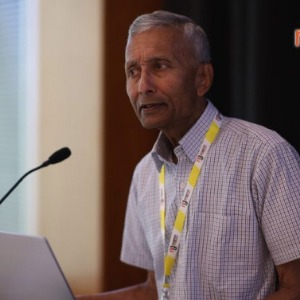
Ranjan Ramasamy
ID-FISH Technology, United States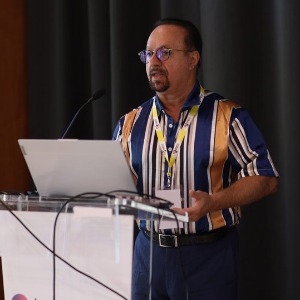
Yazdan Mirzanejad
University of British Columbia, Canada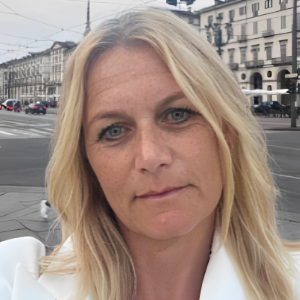
Elena Chiappini
University of Florence, Italy
Pedro Plans Rubio
College of Physicians of Barcelona, Spain
Saurabh Chattopadhyay
University of Kentucky College of Medicine, United States
Masafumi Seki
Saitama Medical University International Medical Center, Japan
Swapan K Nath
Anne Burnett Marion School of Medicine at Texas Christian University, United StatesSubmit your abstract Today


Title : The accelerated timeline: Human ecology, climate change, and the next global outbreak
Claudia Ferreira, Sorbonne University, France
Title : Climate change & increasing pollution and respiratory illnesses
Yazdan Mirzanejad, University of British Columbia, Canada
Title : Climate change & increasing tickborne illnesses
Yazdan Mirzanejad, University of British Columbia, Canada
Title : Diagnostic approaches, predictive and prognostic assessments, monitoring, treatment & management of infectious diseases and disease prevention
Sergey Suchkov, N.D. Zelinskii Institute for Organic Chemistry of the Russian Academy of Sciences & InMedStar, Russian Federation
Title : Invasive group A streptococcal infections in children: Current therapeutic challenges
Elena Chiappini, University of Florence, Italy
Title : Global and regional routine pertussis vaccination coverage and anti-pertussis herd immunity levels in 2024, and variation from 2019 to 2024
Pedro Plans Rubio, College of Physicians of Barcelona, Spain