11th Edition of World Congress on Infectious Diseases
June 28-30, 2027 | Rome, Italy

Microbial Ecology
Microbial ecology is a multidisciplinary field that explores the interactions between microorganisms and their environment, encompassing diverse ecosystems such as soil, water, air, and the human body. At the core of microbial ecology is the study of microbial communities and their roles in biogeochemical cycles, nutrient cycling, and ecosystem functioning. By elucidating the complex networks of microbial interactions and their responses to environmental changes, microbial ecologists gain insights into ecosystem resilience, stability, and adaptability. Advanced molecular techniques, including metagenomics, metatranscriptomics, and stable isotope probing, enable researchers to decipher microbial diversity, dynamics, and metabolic activities with unprecedented resolution. Through interdisciplinary collaborations and cutting-edge technologies, microbial ecology contributes to addressing pressing environmental challenges, such as climate change, pollution, and emerging infectious diseases, while also unlocking the potential of microorganisms for biotechnological applications and sustainable resource management.

Ranjan Ramasamy
ID-FISH Technology, United States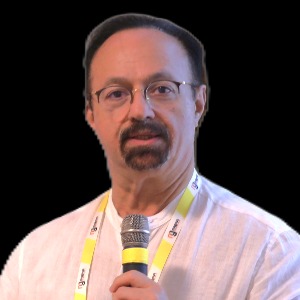
Yazdan Mirzanejad
University of British Columbia, Canada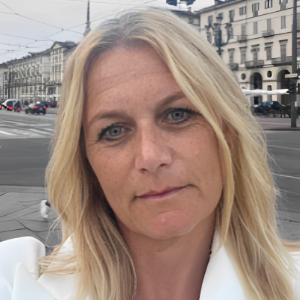
Elena Chiappini
University of Florence, Italy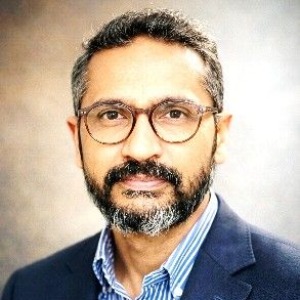
Saurabh Chattopadhyay
University of Kentucky College of Medicine, United States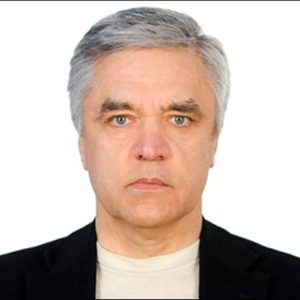
Sergey Suchkov
N.D. Zelinskii Institute for Organic Chemistry of the Russian Academy of Sciences & InMedStar, Russian Federation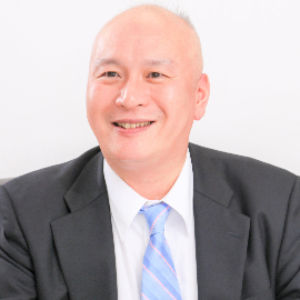
Masafumi Seki
Saitama Medical University International Medical Center, Japan
Martha Grace McLean
Anne Burnett Marion School of Medicine at Texas Christian University, United StatesSubmit your abstract Today


Title : Diagnostic approaches, predictive and prognostic assessments, monitoring, treatment & management of infectious diseases and disease prevention
Sergey Suchkov, N.D. Zelinskii Institute for Organic Chemistry of the Russian Academy of Sciences & InMedStar, Russian Federation
Title : The accelerated timeline: Human ecology, climate change, and the next global outbreak
Claudia Ferreira, Sorbonne University, France
Title : Climate changes & increasing pollution and respiratory illnesses
Yazdan Mirzanejad, University of British Columbia, Canada
Title : Recurrent klebsiella pneumoniae pyogenic liver abscess: Developing a literature-informed 0–2 scoring framework from a solved index case
Martha Grace McLean, Anne Burnett Marion School of Medicine at Texas Christian University, United States
Title : Post-hysterectomy pelvic abscess mimic: An AI-assisted diagnostic stewardship workflow
Setu Shiroya, Anne Burnett Marion School of Medicine at Texas Christian University, United States
Title : Building a clinical reasoning tool from post-transplant MRSA sepsis: A mentored ai workflow
Michaela Mitchell, Anne Burnett Marion School of Medicine at Texas Christian University, United States