11th Edition of World Congress on Infectious Diseases
June 28-30, 2027 | Rome, Italy

Microbiologists
Microbiologists are scientists who specialize in studying microscopic organisms such as bacteria, viruses, fungi, and protozoa. Their work is essential to understanding how these microorganisms interact with humans, animals, and the environment. In clinical settings, they play a pivotal role in identifying the specific pathogens responsible for illnesses, often using advanced techniques like molecular diagnostics, cultures, and microscopy. This allows healthcare providers to make accurate treatment decisions, particularly when symptoms are non-specific or unusual. Their insights help uncover the root causes of health conditions that might otherwise remain unexplained. Without their input, many complex medical cases would remain unresolved.
Beyond diagnostics, Microbiologists contribute to crucial areas such as public health, biotechnology, and pharmaceutical development. They research how microorganisms evolve, develop resistance, and spread within populations. In hospitals and research institutions, they assist in monitoring trends, investigating potential outbreaks, and ensuring laboratory safety standards are maintained. Their expertise also supports vaccine development, novel antibiotic discovery, and innovative therapeutic approaches. By bridging basic science and clinical application, they help protect communities from emerging biological threats and ensure a rapid response to health challenges. Their dedication to understanding microscopic life continues to impact medicine, agriculture, and environmental sustainability on a global scale.

Ranjan Ramasamy
ID-FISH Technology, United States
Yazdan Mirzanejad
University of British Columbia, Canada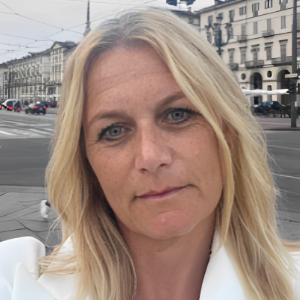
Elena Chiappini
University of Florence, Italy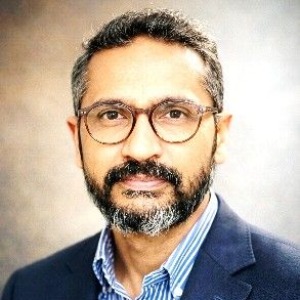
Saurabh Chattopadhyay
University of Kentucky College of Medicine, United States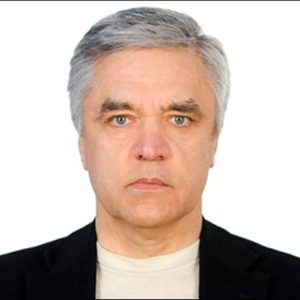
Sergey Suchkov
N.D. Zelinskii Institute for Organic Chemistry of the Russian Academy of Sciences & InMedStar, Russian Federation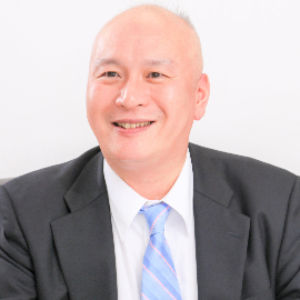
Masafumi Seki
Saitama Medical University International Medical Center, Japan
Martha Grace McLean
Anne Burnett Marion School of Medicine at Texas Christian University, United StatesSubmit your abstract Today


Title : Diagnostic approaches, predictive and prognostic assessments, monitoring, treatment & management of infectious diseases and disease prevention
Sergey Suchkov, N.D. Zelinskii Institute for Organic Chemistry of the Russian Academy of Sciences & InMedStar, Russian Federation
Title : The accelerated timeline: Human ecology, climate change, and the next global outbreak
Claudia Ferreira, Sorbonne University, France
Title : Climate changes & increasing pollution and respiratory illnesses
Yazdan Mirzanejad, University of British Columbia, Canada
Title : Recurrent klebsiella pneumoniae pyogenic liver abscess: Developing a literature-informed 0–2 scoring framework from a solved index case
Martha Grace McLean, Anne Burnett Marion School of Medicine at Texas Christian University, United States
Title : Post-hysterectomy pelvic abscess mimic: An AI-assisted diagnostic stewardship workflow
Setu Shiroya, Anne Burnett Marion School of Medicine at Texas Christian University, United States
Title : Building a clinical reasoning tool from post-transplant MRSA sepsis: A mentored ai workflow
Michaela Mitchell, Anne Burnett Marion School of Medicine at Texas Christian University, United States