11th Edition of World Congress on Infectious Diseases
June 28-30, 2027 | Rome, Italy

Mycologists
Mycologists are dedicated to studying fungi—organisms that range from microscopic molds to familiar mushrooms. Their research uncovers how these organisms function, reproduce, and interact with humans, animals, plants, and the environment. While many fungi play beneficial roles in ecosystems and industry, others can cause spoilage, allergies, or health complications. In laboratory settings, mycologists identify fungal species, study their behavior under various conditions, and test how they respond to antifungal agents. Their findings help shape safer food production, more effective medications, and environmental conservation efforts.
In the field, mycologists monitor fungal activity in natural and agricultural settings, where certain species may damage crops or trees. They also investigate the role of fungi in breaking down organic matter and maintaining soil health. In industries such as pharmaceuticals and biotechnology, fungi are explored for their ability to produce antibiotics, enzymes, and other valuable compounds. Mycologists also contribute to innovations in sustainability, including the development of fungal-based materials and environmental cleanup methods. As global conditions shift and new fungal challenges emerge, their expertise becomes increasingly important. Through both research and practical application, mycologists help unlock the potential of fungi while addressing the threats they may pose to health, agriculture, and ecosystems. By bridging science with practical solutions, mycologists ensure fungi are used responsibly and effectively in various sectors.

Ranjan Ramasamy
ID-FISH Technology, United States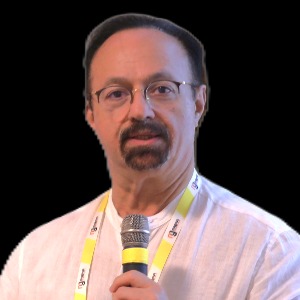
Yazdan Mirzanejad
University of British Columbia, Canada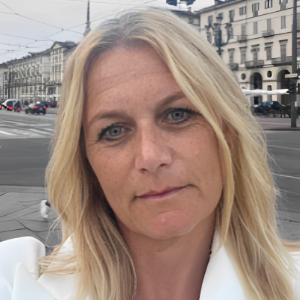
Elena Chiappini
University of Florence, Italy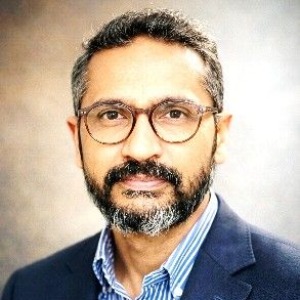
Saurabh Chattopadhyay
University of Kentucky College of Medicine, United States
Sergey Suchkov
N.D. Zelinskii Institute for Organic Chemistry of the Russian Academy of Sciences & InMedStar, Russian Federation
Masafumi Seki
Saitama Medical University International Medical Center, Japan
Martha Grace McLean
Anne Burnett Marion School of Medicine at Texas Christian University, United StatesSubmit your abstract Today


Title : Diagnostic approaches, predictive and prognostic assessments, monitoring, treatment & management of infectious diseases and disease prevention
Sergey Suchkov, N.D. Zelinskii Institute for Organic Chemistry of the Russian Academy of Sciences & InMedStar, Russian Federation
Title : The accelerated timeline: Human ecology, climate change, and the next global outbreak
Claudia Ferreira, Sorbonne University, France
Title : Climate changes & increasing pollution and respiratory illnesses
Yazdan Mirzanejad, University of British Columbia, Canada
Title : Recurrent klebsiella pneumoniae pyogenic liver abscess: Developing a literature-informed 0–2 scoring framework from a solved index case
Martha Grace McLean, Anne Burnett Marion School of Medicine at Texas Christian University, United States
Title : Post-hysterectomy pelvic abscess mimic: An AI-assisted diagnostic stewardship workflow
Setu Shiroya, Anne Burnett Marion School of Medicine at Texas Christian University, United States
Title : Building a clinical reasoning tool from post-transplant MRSA sepsis: A mentored ai workflow
Michaela Mitchell, Anne Burnett Marion School of Medicine at Texas Christian University, United States