11th Edition of World Congress on Infectious Diseases
June 28-30, 2027 | Rome, Italy

Novel Antimicrobials
Nature, in its intricate design, has bestowed upon us a hidden arsenal in the form of antimicrobial peptides (AMPs) – small, naturally occurring molecules that play a pivotal role in the innate immune response of various organisms. These peptides, a product of millions of years of evolutionary refinement, possess remarkable antimicrobial properties, challenging the traditional paradigms of antibiotic development. AMPs act as nature's guardians, defending against invading pathogens with a multifaceted approach. They disrupt microbial cell membranes, target intracellular components, and even modulate immune responses. Their versatility and ability to combat a broad spectrum of microorganisms make them promising candidates for novel antimicrobial therapies. Scientists are unraveling the secrets of AMPs, seeking inspiration for the development of synthetic counterparts. By understanding the structural motifs and mechanisms of action employed by these peptides, researchers aim to design antimicrobial agents that mimic nature's elegance. This approach holds the potential to overcome the challenges posed by antibiotic resistance, as AMPs present a unique strategy that bacteria are less likely to develop resistance against.

Ranjan Ramasamy
ID-FISH Technology, United States
Yazdan Mirzanejad
University of British Columbia, Canada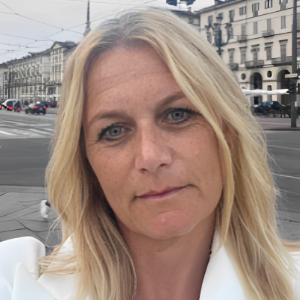
Elena Chiappini
University of Florence, Italy
Saurabh Chattopadhyay
University of Kentucky College of Medicine, United States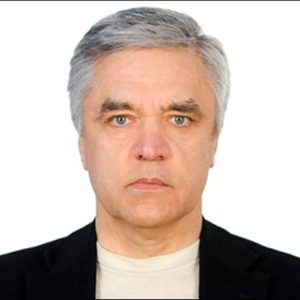
Sergey Suchkov
N.D. Zelinskii Institute for Organic Chemistry of the Russian Academy of Sciences & InMedStar, Russian Federation
Masafumi Seki
Saitama Medical University International Medical Center, Japan
Martha Grace McLean
Anne Burnett Marion School of Medicine at Texas Christian University, United StatesSubmit your abstract Today


Title : Diagnostic approaches, predictive and prognostic assessments, monitoring, treatment & management of infectious diseases and disease prevention
Sergey Suchkov, N.D. Zelinskii Institute for Organic Chemistry of the Russian Academy of Sciences & InMedStar, Russian Federation
Title : The accelerated timeline: Human ecology, climate change, and the next global outbreak
Claudia Ferreira, Sorbonne University, France
Title : Climate changes & increasing pollution and respiratory illnesses
Yazdan Mirzanejad, University of British Columbia, Canada
Title : Recurrent klebsiella pneumoniae pyogenic liver abscess: Developing a literature-informed 0–2 scoring framework from a solved index case
Martha Grace McLean, Anne Burnett Marion School of Medicine at Texas Christian University, United States
Title : Post-hysterectomy pelvic abscess mimic: An AI-assisted diagnostic stewardship workflow
Setu Shiroya, Anne Burnett Marion School of Medicine at Texas Christian University, United States
Title : Building a clinical reasoning tool from post-transplant MRSA sepsis: A mentored ai workflow
Michaela Mitchell, Anne Burnett Marion School of Medicine at Texas Christian University, United States