11th Edition of World Congress on Infectious Diseases
June 28-30, 2027 | Rome, Italy
Parasitologists
Parasitologists dedicate their careers to studying organisms that depend on a host for survival, often causing harm in the process. Their work spans the microscopic to the visible, examining species like protozoa, tapeworms, roundworms, and lice. By investigating how these organisms invade, adapt, and persist in hosts, parasitologists provide critical insights into biological interactions that affect health and well-being. In laboratories, they isolate parasites from tissue, blood, or environmental samples and use specialized techniques to classify and understand them at molecular and cellular levels. Their findings form the foundation for developing treatments, vaccines, and public health interventions.
Beyond clinical research, parasitologists play an essential role in environmental and agricultural sectors. They help manage parasite-related threats to food security by studying infestations in crops and livestock. In wildlife biology, they explore how parasites regulate populations or spread across species, shedding light on complex ecological balances. Their work also supports the monitoring of water sources and sanitation systems, identifying parasitic contamination that could pose broader health risks. With growing global attention on climate and ecosystem change, the role of parasitologists is becoming increasingly significant. By integrating research, teaching, and practical experience, they provide essential insights that protect the health of people, animals, and ecosystems.

Ranjan Ramasamy
ID-FISH Technology, United States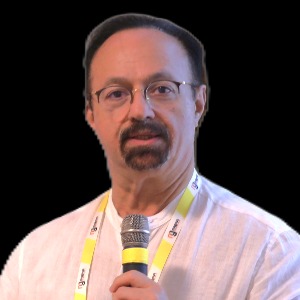
Yazdan Mirzanejad
University of British Columbia, Canada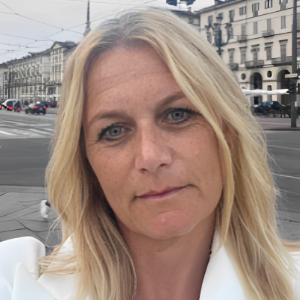
Elena Chiappini
University of Florence, Italy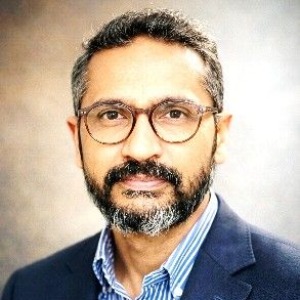
Saurabh Chattopadhyay
University of Kentucky College of Medicine, United States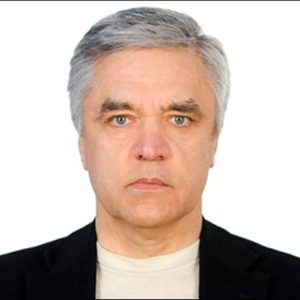
Sergey Suchkov
N.D. Zelinskii Institute for Organic Chemistry of the Russian Academy of Sciences & InMedStar, Russian Federation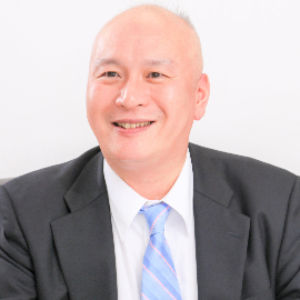
Masafumi Seki
Saitama Medical University International Medical Center, Japan
Martha Grace McLean
Anne Burnett Marion School of Medicine at Texas Christian University, United StatesSubmit your abstract Today


Title : Diagnostic approaches, predictive and prognostic assessments, monitoring, treatment & management of infectious diseases and disease prevention
Sergey Suchkov, N.D. Zelinskii Institute for Organic Chemistry of the Russian Academy of Sciences & InMedStar, Russian Federation
Title : The accelerated timeline: Human ecology, climate change, and the next global outbreak
Claudia Ferreira, Sorbonne University, France
Title : Climate changes & increasing pollution and respiratory illnesses
Yazdan Mirzanejad, University of British Columbia, Canada
Title : Recurrent klebsiella pneumoniae pyogenic liver abscess: Developing a literature-informed 0–2 scoring framework from a solved index case
Martha Grace McLean, Anne Burnett Marion School of Medicine at Texas Christian University, United States
Title : Post-hysterectomy pelvic abscess mimic: An AI-assisted diagnostic stewardship workflow
Setu Shiroya, Anne Burnett Marion School of Medicine at Texas Christian University, United States
Title : Building a clinical reasoning tool from post-transplant MRSA sepsis: A mentored ai workflow
Michaela Mitchell, Anne Burnett Marion School of Medicine at Texas Christian University, United States