11th Edition of World Congress on Infectious Diseases
June 28-30, 2027 | Rome, Italy

Pathologists
Pathologists are medical experts specializing in diagnosing diseases through the examination of laboratory samples, such as blood, tissue, and body fluids. Their role is crucial in determining the nature and cause of illnesses, whether they are infections, cancers, autoimmune diseases, or genetic disorders. Using advanced technologies like microscopy, molecular diagnostics, and immunohistochemistry, pathologists analyze samples to detect abnormal cells, microorganisms, or disease markers. Their findings provide vital information to physicians, guiding treatment decisions and shaping patient care strategies. They are also pivotal in identifying emerging disease patterns, which can help in early detection and prevention efforts.
Pathologists collaborate closely with clinicians, surgeons, and researchers to improve treatment outcomes and contribute to medical advancements. They are instrumental in conducting autopsies, studying disease progression, and identifying factors that influence health conditions. Their work also extends to research, where they explore new diagnostic techniques, treatments, and disease prevention strategies. Through their meticulous analysis, pathologists support personalized medicine by identifying how different patients may respond to specific therapies. With ongoing advancements in genetic testing and molecular medicine, Pathologists play a central role in enhancing early diagnosis and treatment, ensuring that patients receive the most accurate and effective care possible. Their expertise is indispensable in both clinical and research settings, driving improvements in healthcare practices and outcomes.

Ranjan Ramasamy
ID-FISH Technology, United States
Yazdan Mirzanejad
University of British Columbia, Canada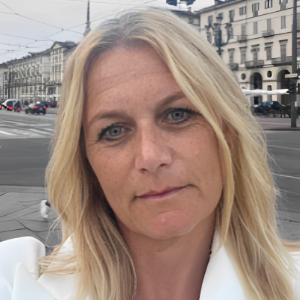
Elena Chiappini
University of Florence, Italy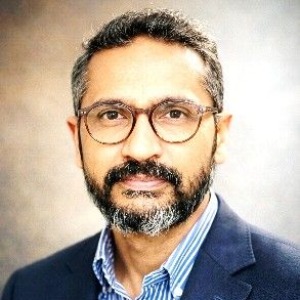
Saurabh Chattopadhyay
University of Kentucky College of Medicine, United States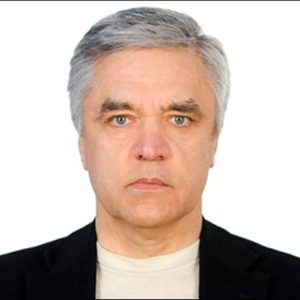
Sergey Suchkov
N.D. Zelinskii Institute for Organic Chemistry of the Russian Academy of Sciences & InMedStar, Russian Federation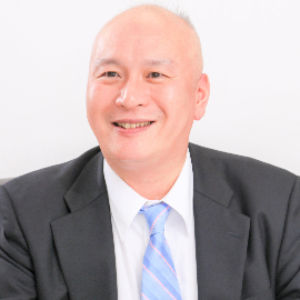
Masafumi Seki
Saitama Medical University International Medical Center, Japan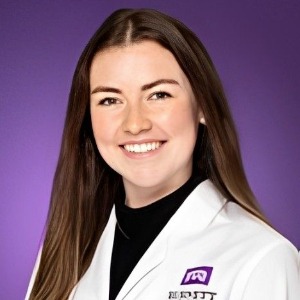
Martha Grace McLean
Anne Burnett Marion School of Medicine at Texas Christian University, United StatesSubmit your abstract Today


Title : Diagnostic approaches, predictive and prognostic assessments, monitoring, treatment & management of infectious diseases and disease prevention
Sergey Suchkov, N.D. Zelinskii Institute for Organic Chemistry of the Russian Academy of Sciences & InMedStar, Russian Federation
Title : The accelerated timeline: Human ecology, climate change, and the next global outbreak
Claudia Ferreira, Sorbonne University, France
Title : Climate changes & increasing pollution and respiratory illnesses
Yazdan Mirzanejad, University of British Columbia, Canada
Title : Recurrent klebsiella pneumoniae pyogenic liver abscess: Developing a literature-informed 0–2 scoring framework from a solved index case
Martha Grace McLean, Anne Burnett Marion School of Medicine at Texas Christian University, United States
Title : Post-hysterectomy pelvic abscess mimic: An AI-assisted diagnostic stewardship workflow
Setu Shiroya, Anne Burnett Marion School of Medicine at Texas Christian University, United States
Title : Building a clinical reasoning tool from post-transplant MRSA sepsis: A mentored ai workflow
Michaela Mitchell, Anne Burnett Marion School of Medicine at Texas Christian University, United States