11th Edition of World Congress on Infectious Diseases
June 28-30, 2027 | Rome, Italy

Plague
Despite significant advances in understanding and managing plague, the disease continues to pose challenges, particularly in regions where it persists. Outbreaks still occur, with cases reported in certain parts of Africa, Asia, and the Americas. Factors such as climate change, increased human mobility, and urbanization contribute to the re-emergence of plague in some areas. Ongoing research in plague focuses on multiple fronts, including understanding the genetics of Yersinia pestis, studying the dynamics of reservoir hosts and vectors, and exploring novel therapeutic approaches. The development of rapid diagnostic tools and vaccines remains a priority to enhance early detection and prevent the spread of the disease. Plague also remains a concern for bioterrorism due to its potential for high morbidity and mortality. Global preparedness involves surveillance systems, laboratory capacity building, and public health infrastructure to respond swiftly to outbreaks. Collaborative efforts between countries, international organizations, and research institutions contribute to a comprehensive approach to managing the contemporary challenges posed by plague.

Ranjan Ramasamy
ID-FISH Technology, United States
Yazdan Mirzanejad
University of British Columbia, Canada
Elena Chiappini
University of Florence, Italy
Saurabh Chattopadhyay
University of Kentucky College of Medicine, United States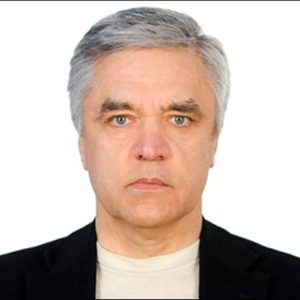
Sergey Suchkov
N.D. Zelinskii Institute for Organic Chemistry of the Russian Academy of Sciences & InMedStar, Russian Federation
Masafumi Seki
Saitama Medical University International Medical Center, Japan
Martha Grace McLean
Anne Burnett Marion School of Medicine at Texas Christian University, United StatesSubmit your abstract Today


Title : Diagnostic approaches, predictive and prognostic assessments, monitoring, treatment & management of infectious diseases and disease prevention
Sergey Suchkov, N.D. Zelinskii Institute for Organic Chemistry of the Russian Academy of Sciences & InMedStar, Russian Federation
Title : The accelerated timeline: Human ecology, climate change, and the next global outbreak
Claudia Ferreira, Sorbonne University, France
Title : Climate changes & increasing pollution and respiratory illnesses
Yazdan Mirzanejad, University of British Columbia, Canada
Title : Recurrent klebsiella pneumoniae pyogenic liver abscess: Developing a literature-informed 0–2 scoring framework from a solved index case
Martha Grace McLean, Anne Burnett Marion School of Medicine at Texas Christian University, United States
Title : Post-hysterectomy pelvic abscess mimic: An AI-assisted diagnostic stewardship workflow
Setu Shiroya, Anne Burnett Marion School of Medicine at Texas Christian University, United States
Title : Building a clinical reasoning tool from post-transplant MRSA sepsis: A mentored ai workflow
Michaela Mitchell, Anne Burnett Marion School of Medicine at Texas Christian University, United States