HYBRID EVENT: Join us in person in Rome, Italy or attend virtually from anywhere.
11th Edition of World Congress on Infectious Diseases
June 28-30, 2027 | Rome, Italy

Schistosomiasis
Schistosomiasis
Schistosomiasis is transmitted through contact with contaminated freshwater, where the infective larvae of the parasite penetrate the skin of individuals engaging in activities such as swimming, fishing, or washing clothes. Once inside the body, the larvae develop into adult worms, which reside in the blood vessels surrounding the intestines or bladder, depending on the species. Chronic infection can lead to severe complications, including liver and spleen enlargement, bladder cancer, and neurological disorders. Control strategies for schistosomiasis typically involve mass drug administration with praziquantel, improved sanitation and access to clean water, and educational campaigns to promote behavior change and reduce transmission risk.
Committee Members

Ranjan Ramasamy
ID-FISH Technology, United States
Yazdan Mirzanejad
University of British Columbia, Canada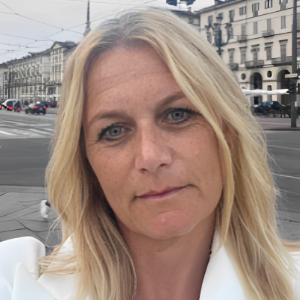
Elena Chiappini
University of Florence, Italy Infection 2027 Speakers

Saurabh Chattopadhyay
University of Kentucky College of Medicine, United States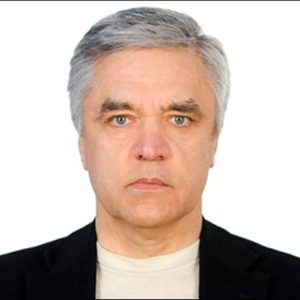
Sergey Suchkov
N.D. Zelinskii Institute for Organic Chemistry of the Russian Academy of Sciences & InMedStar, Russian Federation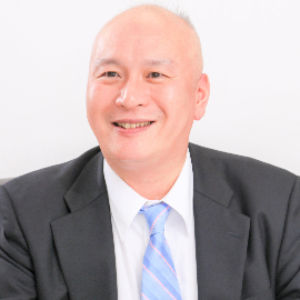
Masafumi Seki
Saitama Medical University International Medical Center, Japan
Martha Grace McLean
Anne Burnett Marion School of Medicine at Texas Christian University, United StatesSubmit your abstract Today


Title : Diagnostic approaches, predictive and prognostic assessments, monitoring, treatment & management of infectious diseases and disease prevention
Sergey Suchkov, N.D. Zelinskii Institute for Organic Chemistry of the Russian Academy of Sciences & InMedStar, Russian Federation
Title : The accelerated timeline: Human ecology, climate change, and the next global outbreak
Claudia Ferreira, Sorbonne University, France
Title : Climate changes & increasing pollution and respiratory illnesses
Yazdan Mirzanejad, University of British Columbia, Canada
Title : Recurrent klebsiella pneumoniae pyogenic liver abscess: Developing a literature-informed 0–2 scoring framework from a solved index case
Martha Grace McLean, Anne Burnett Marion School of Medicine at Texas Christian University, United States
Title : Post-hysterectomy pelvic abscess mimic: An AI-assisted diagnostic stewardship workflow
Setu Shiroya, Anne Burnett Marion School of Medicine at Texas Christian University, United States
Title : Building a clinical reasoning tool from post-transplant MRSA sepsis: A mentored ai workflow
Michaela Mitchell, Anne Burnett Marion School of Medicine at Texas Christian University, United States