11th Edition of World Congress on Infectious Diseases
June 28-30, 2027 | Rome, Italy

Soil Microbiology
Soil microbiology, a diverse realm of microbial life, encounters a spectrum of antimicrobials shaping the intricate web of interactions within this ecosystem. The soil is a reservoir for various natural antimicrobials, primarily produced by bacteria and fungi in response to environmental pressures. Understanding the role of these antimicrobials is crucial in unraveling the complexities of soil microbial communities. One key facet of soil microbiology involves the production of antibiotics by microorganisms. Streptomyces species, ubiquitous in soil, are prolific producers of antibiotics, contributing to the ecological balance by suppressing the growth of competing microorganisms. These natural antimicrobials serve as essential regulators, influencing the composition and function of the soil microbiome. Contrastingly, the introduction of synthetic antimicrobials through human activities poses challenges to soil ecosystems. The application of agrochemicals, pesticides, and herbicides can disturb the equilibrium of soil microbial communities. While these chemicals aim to protect crops, they may inadvertently impact non-target microbes, potentially leading to disruptions in nutrient cycling and overall soil health. Antimicrobial resistance in soil bacteria is a growing concern linked to human practices. The selective pressure exerted by antimicrobials can accelerate the development of resistance, posing risks to both environmental and human health. Additionally, the fate of antimicrobial residues in soil, including degradation and persistence, plays a crucial role in determining their long-term impact on microbial communities.

Ranjan Ramasamy
ID-FISH Technology, United States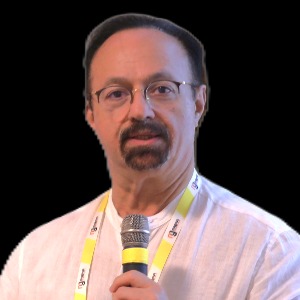
Yazdan Mirzanejad
University of British Columbia, Canada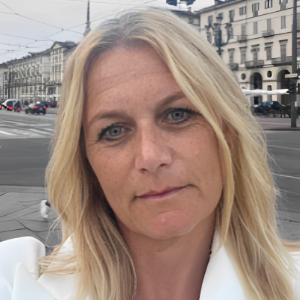
Elena Chiappini
University of Florence, Italy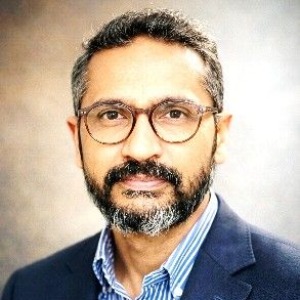
Saurabh Chattopadhyay
University of Kentucky College of Medicine, United States
Sergey Suchkov
N.D. Zelinskii Institute for Organic Chemistry of the Russian Academy of Sciences & InMedStar, Russian Federation
Masafumi Seki
Saitama Medical University International Medical Center, Japan
Martha Grace McLean
Anne Burnett Marion School of Medicine at Texas Christian University, United StatesSubmit your abstract Today


Title : Diagnostic approaches, predictive and prognostic assessments, monitoring, treatment & management of infectious diseases and disease prevention
Sergey Suchkov, N.D. Zelinskii Institute for Organic Chemistry of the Russian Academy of Sciences & InMedStar, Russian Federation
Title : The accelerated timeline: Human ecology, climate change, and the next global outbreak
Claudia Ferreira, Sorbonne University, France
Title : Climate changes & increasing pollution and respiratory illnesses
Yazdan Mirzanejad, University of British Columbia, Canada
Title : Recurrent klebsiella pneumoniae pyogenic liver abscess: Developing a literature-informed 0–2 scoring framework from a solved index case
Martha Grace McLean, Anne Burnett Marion School of Medicine at Texas Christian University, United States
Title : Post-hysterectomy pelvic abscess mimic: An AI-assisted diagnostic stewardship workflow
Setu Shiroya, Anne Burnett Marion School of Medicine at Texas Christian University, United States
Title : Building a clinical reasoning tool from post-transplant MRSA sepsis: A mentored ai workflow
Michaela Mitchell, Anne Burnett Marion School of Medicine at Texas Christian University, United States