11th Edition of World Congress on Infectious Diseases
June 28-30, 2027 | Rome, Italy

Superbugs and Superdrugs
The escalation of superbugs, also known as multidrug-resistant bacteria, presents a grave menace to global health and contemporary medicine. These bacteria have evolved resistance to multiple antimicrobial drugs, rendering conventional treatments ineffective. The excessive and inappropriate use of antibiotics in humans, animals, and agriculture has hastened the emergence of superbugs, resulting in a complex and alarming public health crisis. Superbugs instigate severe infections that prove challenging to treat, leading to elevated rates of illness and death. Within healthcare facilities, infections linked to superbugs are particularly worrisome, as these settings can foster the propagation of resistant strains. The proliferation of superbugs is not constrained by borders; it surpasses geographical limits, transforming it into a worldwide predicament that demands concerted efforts for control. In response to the increasing peril posed by superbugs, scientists and pharmaceutical companies are actively exploring innovative approaches to formulate superdrugs—potent antimicrobial agents capable of combatting multidrug-resistant bacteria. The traditional model of antibiotic development encounters obstacles, prompting researchers to investigate alternative strategies for the identification and design of effective drugs. One promising avenue involves the utilization of bacteriophage therapy, employing viruses that specifically target and annihilate particular bacteria. This precision medicine solution allows bacteriophages to be customized for combatting specific strains of superbugs. Another frontier is found in nanotechnology, where scientists delve into nanoparticles and nanomaterials to enhance the delivery of antimicrobial agents, thereby diminishing the likelihood of resistance development.

Ranjan Ramasamy
ID-FISH Technology, United States
Yazdan Mirzanejad
University of British Columbia, Canada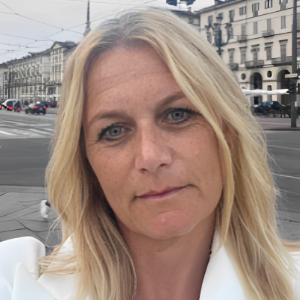
Elena Chiappini
University of Florence, Italy
Saurabh Chattopadhyay
University of Kentucky College of Medicine, United States
Sergey Suchkov
N.D. Zelinskii Institute for Organic Chemistry of the Russian Academy of Sciences & InMedStar, Russian Federation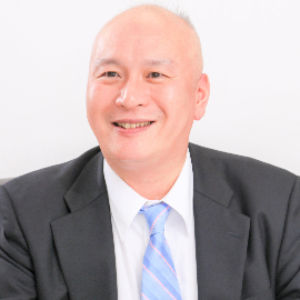
Masafumi Seki
Saitama Medical University International Medical Center, Japan
Martha Grace McLean
Anne Burnett Marion School of Medicine at Texas Christian University, United StatesSubmit your abstract Today


Title : Diagnostic approaches, predictive and prognostic assessments, monitoring, treatment & management of infectious diseases and disease prevention
Sergey Suchkov, N.D. Zelinskii Institute for Organic Chemistry of the Russian Academy of Sciences & InMedStar, Russian Federation
Title : The accelerated timeline: Human ecology, climate change, and the next global outbreak
Claudia Ferreira, Sorbonne University, France
Title : Climate changes & increasing pollution and respiratory illnesses
Yazdan Mirzanejad, University of British Columbia, Canada
Title : Recurrent klebsiella pneumoniae pyogenic liver abscess: Developing a literature-informed 0–2 scoring framework from a solved index case
Martha Grace McLean, Anne Burnett Marion School of Medicine at Texas Christian University, United States
Title : Post-hysterectomy pelvic abscess mimic: An AI-assisted diagnostic stewardship workflow
Setu Shiroya, Anne Burnett Marion School of Medicine at Texas Christian University, United States
Title : Building a clinical reasoning tool from post-transplant MRSA sepsis: A mentored ai workflow
Michaela Mitchell, Anne Burnett Marion School of Medicine at Texas Christian University, United States