11th Edition of World Congress on Infectious Diseases
June 28-30, 2027 | Rome, Italy
Therapeutic Drug Monitoring
Therapeutic Drug Monitoring (TDM) is an indispensable tool in the realm of antimicrobial therapy, ensuring the precision and effectiveness of treatment. Antimicrobials, including antibiotics and antifungals, exhibit considerable variability in pharmacokinetics among individuals, necessitating a personalized approach to dosing. TDM for antimicrobials involves periodic measurement of drug concentrations in a patient's body fluids, primarily blood, to guide dosage adjustments. This process is vital for achieving therapeutic success while minimizing adverse effects. The dynamic nature of infections, coupled with patient-specific factors like age, organ function, and concomitant medications, makes TDM an essential strategy to maintain optimal drug levels. One of the key benefits of TDM in antimicrobial therapy is the prevention of treatment failure and the emergence of resistance. Subtherapeutic drug concentrations may lead to inadequate microbial killing, fostering the development of resistant strains. TDM helps identify patients at risk of inadequate drug exposure, enabling timely adjustments to ensure optimal therapeutic outcomes. In critical care settings or populations with altered drug metabolism, such as the elderly or those with renal impairment, TDM becomes particularly crucial. It aids healthcare professionals in adapting antimicrobial regimens to achieve therapeutic goals, minimizing the risk of toxicity and ensuring the right balance between efficacy and safety.

Ranjan Ramasamy
ID-FISH Technology, United States
Yazdan Mirzanejad
University of British Columbia, Canada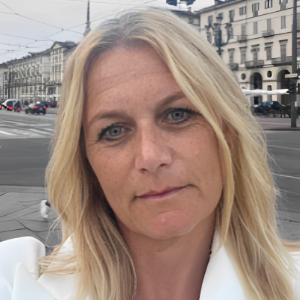
Elena Chiappini
University of Florence, Italy
Saurabh Chattopadhyay
University of Kentucky College of Medicine, United States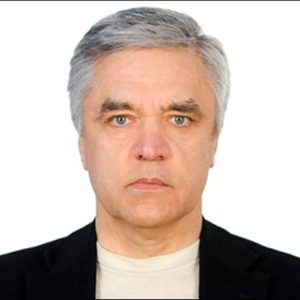
Sergey Suchkov
N.D. Zelinskii Institute for Organic Chemistry of the Russian Academy of Sciences & InMedStar, Russian Federation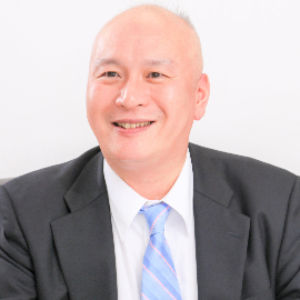
Masafumi Seki
Saitama Medical University International Medical Center, Japan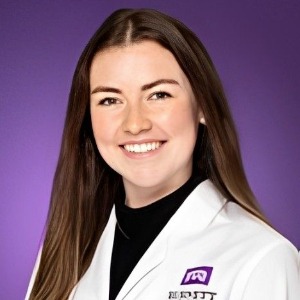
Martha Grace McLean
Anne Burnett Marion School of Medicine at Texas Christian University, United StatesSubmit your abstract Today


Title : Diagnostic approaches, predictive and prognostic assessments, monitoring, treatment & management of infectious diseases and disease prevention
Sergey Suchkov, N.D. Zelinskii Institute for Organic Chemistry of the Russian Academy of Sciences & InMedStar, Russian Federation
Title : The accelerated timeline: Human ecology, climate change, and the next global outbreak
Claudia Ferreira, Sorbonne University, France
Title : Climate changes & increasing pollution and respiratory illnesses
Yazdan Mirzanejad, University of British Columbia, Canada
Title : Recurrent klebsiella pneumoniae pyogenic liver abscess: Developing a literature-informed 0–2 scoring framework from a solved index case
Martha Grace McLean, Anne Burnett Marion School of Medicine at Texas Christian University, United States
Title : Post-hysterectomy pelvic abscess mimic: An AI-assisted diagnostic stewardship workflow
Setu Shiroya, Anne Burnett Marion School of Medicine at Texas Christian University, United States
Title : Building a clinical reasoning tool from post-transplant MRSA sepsis: A mentored ai workflow
Michaela Mitchell, Anne Burnett Marion School of Medicine at Texas Christian University, United States