11th Edition of World Congress on Infectious Diseases
June 28-30, 2027 | Rome, Italy

Vaccines and Immunology
Vaccines and immunology are pivotal in the prevention and combat of infectious diseases, leveraging the body's immune system. Antimicrobials, encompassing antibiotics, antivirals, and antifungals, serve as crucial tools for infection treatment, yet their excessive use and misuse contribute to the emergence of drug-resistant pathogens. Recognizing the intricate relationship between vaccines, immunology, and antimicrobials is essential for upholding global health. Vaccines operate by stimulating the immune system to identify and memorize specific pathogens, priming the body for a swift and effective response upon subsequent exposure. Typically containing weakened or inactivated forms of the targeted pathogen, vaccines trigger the production of antibodies and memory cells, crucial for preventing or mitigating the severity of future infections. Immunology, delving into the immune system's study, unveils the intricate network of cells, tissues, and molecules collaborating to shield the body from pathogens. Comprising innate and adaptive components, the immune system's innate defenses provide immediate, nonspecific protection, while adaptive responses involve specific pathogen recognition and the development of immunological memory. Antimicrobials, in contrast, directly eliminate microorganisms. Antibiotics disrupt essential bacterial processes, antivirals target viruses, and antifungals combat fungi. Although antimicrobials are vital for infection treatment, their inappropriate use and overprescription foster the emergence of drug-resistant strains, posing a substantial global health risk.

Ranjan Ramasamy
ID-FISH Technology, United States
Yazdan Mirzanejad
University of British Columbia, Canada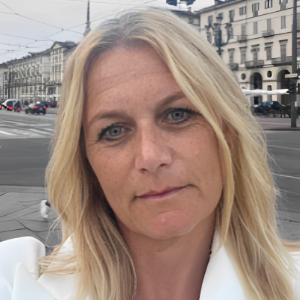
Elena Chiappini
University of Florence, Italy
Saurabh Chattopadhyay
University of Kentucky College of Medicine, United States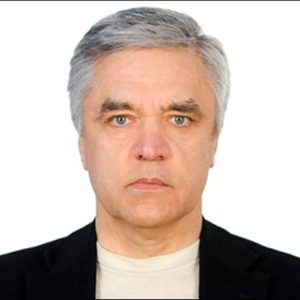
Sergey Suchkov
N.D. Zelinskii Institute for Organic Chemistry of the Russian Academy of Sciences & InMedStar, Russian Federation
Masafumi Seki
Saitama Medical University International Medical Center, Japan
Martha Grace McLean
Anne Burnett Marion School of Medicine at Texas Christian University, United StatesSubmit your abstract Today


Title : Diagnostic approaches, predictive and prognostic assessments, monitoring, treatment & management of infectious diseases and disease prevention
Sergey Suchkov, N.D. Zelinskii Institute for Organic Chemistry of the Russian Academy of Sciences & InMedStar, Russian Federation
Title : The accelerated timeline: Human ecology, climate change, and the next global outbreak
Claudia Ferreira, Sorbonne University, France
Title : Climate changes & increasing pollution and respiratory illnesses
Yazdan Mirzanejad, University of British Columbia, Canada
Title : Recurrent klebsiella pneumoniae pyogenic liver abscess: Developing a literature-informed 0–2 scoring framework from a solved index case
Martha Grace McLean, Anne Burnett Marion School of Medicine at Texas Christian University, United States
Title : Post-hysterectomy pelvic abscess mimic: An AI-assisted diagnostic stewardship workflow
Setu Shiroya, Anne Burnett Marion School of Medicine at Texas Christian University, United States
Title : Building a clinical reasoning tool from post-transplant MRSA sepsis: A mentored ai workflow
Michaela Mitchell, Anne Burnett Marion School of Medicine at Texas Christian University, United States