11th Edition of World Congress on Infectious Diseases
June 28-30, 2027 | Rome, Italy

Vaginal Candidiasis
Vaginal candidiasis, though typically considered a common and easily treatable condition, poses challenges in management, particularly concerning recurrent infections and emerging trends in resistance. Recurrence can be attributed to various factors, including incomplete resolution of the initial infection, reinfection from sexual partners, or underlying medical conditions. This emphasizes the importance of accurate diagnosis, appropriate treatment, and patient education to minimize the risk of repeated episodes. Emerging trends in antifungal resistance among Candida species add a layer of complexity to the management of vaginal candidiasis. Azole-resistant strains, in particular, have been identified, highlighting the need for ongoing surveillance and research to understand the mechanisms of resistance and develop alternative treatment strategies. The overuse of antifungal medications, self-diagnosis, and self-treatment without professional guidance contribute to these challenges. In addressing the challenges of vaginal candidiasis, a holistic approach involves considering the host's immune status, understanding the microbial ecology of the vagina, and exploring innovative treatment options. Probiotics, which aim to restore the natural balance of microorganisms, have shown promise in preventing and managing recurrent infections. Furthermore, patient education on hygiene practices, lifestyle modifications, and the judicious use of antifungal medications is crucial for effective management and reducing the impact of emerging trends in resistance.

Ranjan Ramasamy
ID-FISH Technology, United States
Yazdan Mirzanejad
University of British Columbia, Canada
Elena Chiappini
University of Florence, Italy
Saurabh Chattopadhyay
University of Kentucky College of Medicine, United States
Sergey Suchkov
N.D. Zelinskii Institute for Organic Chemistry of the Russian Academy of Sciences & InMedStar, Russian Federation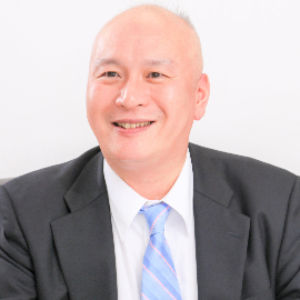
Masafumi Seki
Saitama Medical University International Medical Center, Japan
Martha Grace McLean
Anne Burnett Marion School of Medicine at Texas Christian University, United StatesSubmit your abstract Today


Title : Diagnostic approaches, predictive and prognostic assessments, monitoring, treatment & management of infectious diseases and disease prevention
Sergey Suchkov, N.D. Zelinskii Institute for Organic Chemistry of the Russian Academy of Sciences & InMedStar, Russian Federation
Title : The accelerated timeline: Human ecology, climate change, and the next global outbreak
Claudia Ferreira, Sorbonne University, France
Title : Climate changes & increasing pollution and respiratory illnesses
Yazdan Mirzanejad, University of British Columbia, Canada
Title : Recurrent klebsiella pneumoniae pyogenic liver abscess: Developing a literature-informed 0–2 scoring framework from a solved index case
Martha Grace McLean, Anne Burnett Marion School of Medicine at Texas Christian University, United States
Title : Post-hysterectomy pelvic abscess mimic: An AI-assisted diagnostic stewardship workflow
Setu Shiroya, Anne Burnett Marion School of Medicine at Texas Christian University, United States
Title : Building a clinical reasoning tool from post-transplant MRSA sepsis: A mentored ai workflow
Michaela Mitchell, Anne Burnett Marion School of Medicine at Texas Christian University, United States