11th Edition of World Congress on Infectious Diseases
June 28-30, 2027 | Rome, Italy

Vector-Borne Disease Experts
Vector-Borne Disease Experts are key specialists in identifying, monitoring, and controlling diseases transmitted by vectors such as mosquitoes, ticks, and flies. These diseases—including malaria, dengue, Zika virus, chikungunya, yellow fever, and Lyme disease—pose ongoing threats to public health worldwide. These experts study vector behavior, pathogen transmission, and environmental conditions that promote the spread of disease. Using field data and advanced surveillance tools, they help pinpoint high-risk areas and guide timely interventions to prevent outbreaks and reduce human exposure. Their insights are critical for developing localized, evidence-based strategies that reflect the unique ecological and demographic challenges of each region.
Beyond surveillance, they play a vital role in designing and implementing integrated vector management strategies that combine insecticide use, habitat control, and public awareness. Vector-Borne Disease Experts also contribute to vaccine development, research on insecticide resistance, and early warning systems to predict disease spread in response to climate and ecological changes. Their work is essential for both outbreak response and long-term disease control, particularly in vulnerable and underserved populations. By working across disciplines and coordinating with public health agencies, they support global efforts to reduce the burden of vector-borne diseases. Their expertise ensures more resilient health systems and more informed, proactive disease prevention strategies. They are instrumental in shaping policies that improve vector control infrastructure and community engagement worldwide.

Ranjan Ramasamy
ID-FISH Technology, United States
Yazdan Mirzanejad
University of British Columbia, Canada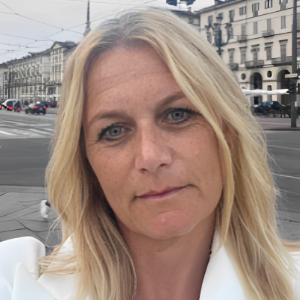
Elena Chiappini
University of Florence, Italy
Saurabh Chattopadhyay
University of Kentucky College of Medicine, United States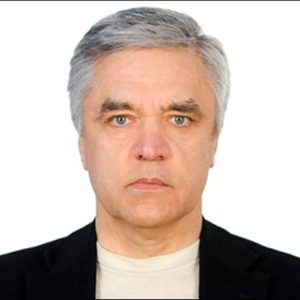
Sergey Suchkov
N.D. Zelinskii Institute for Organic Chemistry of the Russian Academy of Sciences & InMedStar, Russian Federation
Masafumi Seki
Saitama Medical University International Medical Center, Japan
Martha Grace McLean
Anne Burnett Marion School of Medicine at Texas Christian University, United StatesSubmit your abstract Today


Title : Diagnostic approaches, predictive and prognostic assessments, monitoring, treatment & management of infectious diseases and disease prevention
Sergey Suchkov, N.D. Zelinskii Institute for Organic Chemistry of the Russian Academy of Sciences & InMedStar, Russian Federation
Title : The accelerated timeline: Human ecology, climate change, and the next global outbreak
Claudia Ferreira, Sorbonne University, France
Title : Climate changes & increasing pollution and respiratory illnesses
Yazdan Mirzanejad, University of British Columbia, Canada
Title : Recurrent klebsiella pneumoniae pyogenic liver abscess: Developing a literature-informed 0–2 scoring framework from a solved index case
Martha Grace McLean, Anne Burnett Marion School of Medicine at Texas Christian University, United States
Title : Post-hysterectomy pelvic abscess mimic: An AI-assisted diagnostic stewardship workflow
Setu Shiroya, Anne Burnett Marion School of Medicine at Texas Christian University, United States
Title : Building a clinical reasoning tool from post-transplant MRSA sepsis: A mentored ai workflow
Michaela Mitchell, Anne Burnett Marion School of Medicine at Texas Christian University, United States