11th Edition of World Congress on Infectious Diseases
June 28-30, 2027 | Rome, Italy

Vector Borne Diseases
Vector-borne diseases, transmitted to humans through the bites of infected arthropods such as mosquitoes, ticks, fleas, and sandflies, pose a significant global health challenge. Malaria, dengue fever, Zika virus, Lyme disease, and Chikungunya are just a few examples of vector-borne diseases that impact millions of people worldwide. The distribution of these diseases is influenced by various factors, including climate, ecology, and human behavior. Climate change, in particular, can alter the geographic range of vectors, affecting the prevalence and distribution of these diseases. The complexity of vector-borne diseases lies in the intricate relationship between the vector, the pathogen it carries, and the human host. Effective control and prevention strategies involve vector control measures, such as insecticide-treated bed nets, environmental management, and public health education. Additionally, advancements in diagnostics, vaccines, and antiviral drugs contribute to the management and mitigation of vector-borne diseases. Collaborative efforts among governments, researchers, and international organizations are essential for addressing the challenges posed by these diseases and reducing their global burden.

Ranjan Ramasamy
ID-FISH Technology, United States
Yazdan Mirzanejad
University of British Columbia, Canada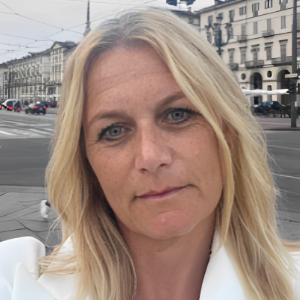
Elena Chiappini
University of Florence, Italy
Saurabh Chattopadhyay
University of Kentucky College of Medicine, United States
Sergey Suchkov
N.D. Zelinskii Institute for Organic Chemistry of the Russian Academy of Sciences & InMedStar, Russian Federation
Masafumi Seki
Saitama Medical University International Medical Center, Japan
Martha Grace McLean
Anne Burnett Marion School of Medicine at Texas Christian University, United StatesSubmit your abstract Today


Title : Diagnostic approaches, predictive and prognostic assessments, monitoring, treatment & management of infectious diseases and disease prevention
Sergey Suchkov, N.D. Zelinskii Institute for Organic Chemistry of the Russian Academy of Sciences & InMedStar, Russian Federation
Title : The accelerated timeline: Human ecology, climate change, and the next global outbreak
Claudia Ferreira, Sorbonne University, France
Title : Climate changes & increasing pollution and respiratory illnesses
Yazdan Mirzanejad, University of British Columbia, Canada
Title : Recurrent klebsiella pneumoniae pyogenic liver abscess: Developing a literature-informed 0–2 scoring framework from a solved index case
Martha Grace McLean, Anne Burnett Marion School of Medicine at Texas Christian University, United States
Title : Post-hysterectomy pelvic abscess mimic: An AI-assisted diagnostic stewardship workflow
Setu Shiroya, Anne Burnett Marion School of Medicine at Texas Christian University, United States
Title : Building a clinical reasoning tool from post-transplant MRSA sepsis: A mentored ai workflow
Michaela Mitchell, Anne Burnett Marion School of Medicine at Texas Christian University, United States