11th Edition of World Congress on Infectious Diseases
June 28-30, 2027 | Rome, Italy

Zika Virus
The Zika virus, while primarily a public health concern, also highlights the intricate relationship between infectious diseases and climate change. Aedes mosquitoes, responsible for transmitting Zika, thrive in warm and humid climates. As climate change alters temperature and precipitation patterns, these mosquitoes expand their geographical range, increasing the risk of Zika transmission in previously unaffected regions. The connection between Zika and climate change extends beyond vector distribution. Changes in weather patterns can influence mosquito breeding habitats, affecting the abundance and longevity of mosquito populations. Extreme weather events, such as hurricanes and floods, may create conditions conducive to mosquito proliferation, leading to potential outbreaks. Efforts to address the intersection of Zika and climate change involve adapting public health strategies to changing environmental conditions. This includes implementing robust mosquito control measures, enhancing surveillance systems, and developing early warning systems for potential outbreaks. Additionally, the global community recognizes the importance of broader climate change mitigation and adaptation strategies to reduce the overall impact of vector-borne diseases like Zika.

Ranjan Ramasamy
ID-FISH Technology, United States
Yazdan Mirzanejad
University of British Columbia, Canada
Elena Chiappini
University of Florence, Italy
Saurabh Chattopadhyay
University of Kentucky College of Medicine, United States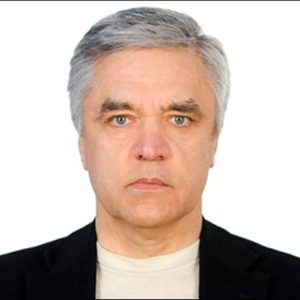
Sergey Suchkov
N.D. Zelinskii Institute for Organic Chemistry of the Russian Academy of Sciences & InMedStar, Russian Federation
Masafumi Seki
Saitama Medical University International Medical Center, Japan
Martha Grace McLean
Anne Burnett Marion School of Medicine at Texas Christian University, United StatesSubmit your abstract Today


Title : Diagnostic approaches, predictive and prognostic assessments, monitoring, treatment & management of infectious diseases and disease prevention
Sergey Suchkov, N.D. Zelinskii Institute for Organic Chemistry of the Russian Academy of Sciences & InMedStar, Russian Federation
Title : The accelerated timeline: Human ecology, climate change, and the next global outbreak
Claudia Ferreira, Sorbonne University, France
Title : Climate changes & increasing pollution and respiratory illnesses
Yazdan Mirzanejad, University of British Columbia, Canada
Title : Recurrent klebsiella pneumoniae pyogenic liver abscess: Developing a literature-informed 0–2 scoring framework from a solved index case
Martha Grace McLean, Anne Burnett Marion School of Medicine at Texas Christian University, United States
Title : Post-hysterectomy pelvic abscess mimic: An AI-assisted diagnostic stewardship workflow
Setu Shiroya, Anne Burnett Marion School of Medicine at Texas Christian University, United States
Title : Building a clinical reasoning tool from post-transplant MRSA sepsis: A mentored ai workflow
Michaela Mitchell, Anne Burnett Marion School of Medicine at Texas Christian University, United States