11th Edition of World Congress on Infectious Diseases
June 28-30, 2027 | Rome, Italy

Zoonosis Control Specialists
Zoonosis Control Specialists are key professionals focused on the prevention and management of diseases that are transmitted between animals and humans. These include both longstanding threats like rabies, brucellosis, and leptospirosis, as well as emerging infections such as avian influenza, Nipah virus, and novel coronaviruses. Their work centers on identifying the environmental, behavioral, and ecological factors that drive zoonotic transmission. They collaborate with veterinarians, epidemiologists, ecologists, and public health officials to design surveillance systems, conduct field investigations, and implement targeted interventions to reduce human-animal disease transmission.
In the field, they monitor wildlife and livestock health, promote biosecurity in farms and markets, and support vaccination campaigns and safe animal husbandry practices. Zoonosis Control Specialists are vital contributors to One Health initiatives, integrating human, animal, and environmental health to form unified disease prevention strategies. They also play a key role in educating communities about the risks of close human-animal contact and how to prevent infection. Their expertise is critical in mitigating spillover events, especially in regions where rapid urbanization and environmental disruption increase disease risk. Through science-based interventions and global collaboration, Zoonosis Control Specialists help protect both public and animal health while reducing the likelihood of future pandemics. Their ongoing efforts are shaping resilient health systems capable of detecting and responding to zoonotic threats swiftly.

Ranjan Ramasamy
ID-FISH Technology, United States
Yazdan Mirzanejad
University of British Columbia, Canada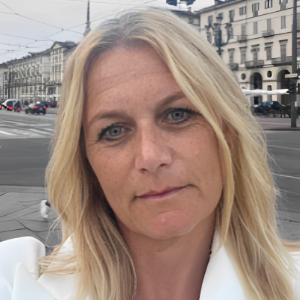
Elena Chiappini
University of Florence, Italy
Saurabh Chattopadhyay
University of Kentucky College of Medicine, United States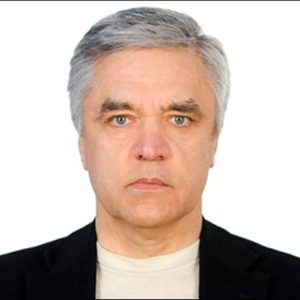
Sergey Suchkov
N.D. Zelinskii Institute for Organic Chemistry of the Russian Academy of Sciences & InMedStar, Russian Federation
Masafumi Seki
Saitama Medical University International Medical Center, Japan
Martha Grace McLean
Anne Burnett Marion School of Medicine at Texas Christian University, United StatesSubmit your abstract Today


Title : Diagnostic approaches, predictive and prognostic assessments, monitoring, treatment & management of infectious diseases and disease prevention
Sergey Suchkov, N.D. Zelinskii Institute for Organic Chemistry of the Russian Academy of Sciences & InMedStar, Russian Federation
Title : The accelerated timeline: Human ecology, climate change, and the next global outbreak
Claudia Ferreira, Sorbonne University, France
Title : Climate changes & increasing pollution and respiratory illnesses
Yazdan Mirzanejad, University of British Columbia, Canada
Title : Recurrent klebsiella pneumoniae pyogenic liver abscess: Developing a literature-informed 0–2 scoring framework from a solved index case
Martha Grace McLean, Anne Burnett Marion School of Medicine at Texas Christian University, United States
Title : Post-hysterectomy pelvic abscess mimic: An AI-assisted diagnostic stewardship workflow
Setu Shiroya, Anne Burnett Marion School of Medicine at Texas Christian University, United States
Title : Building a clinical reasoning tool from post-transplant MRSA sepsis: A mentored ai workflow
Michaela Mitchell, Anne Burnett Marion School of Medicine at Texas Christian University, United States